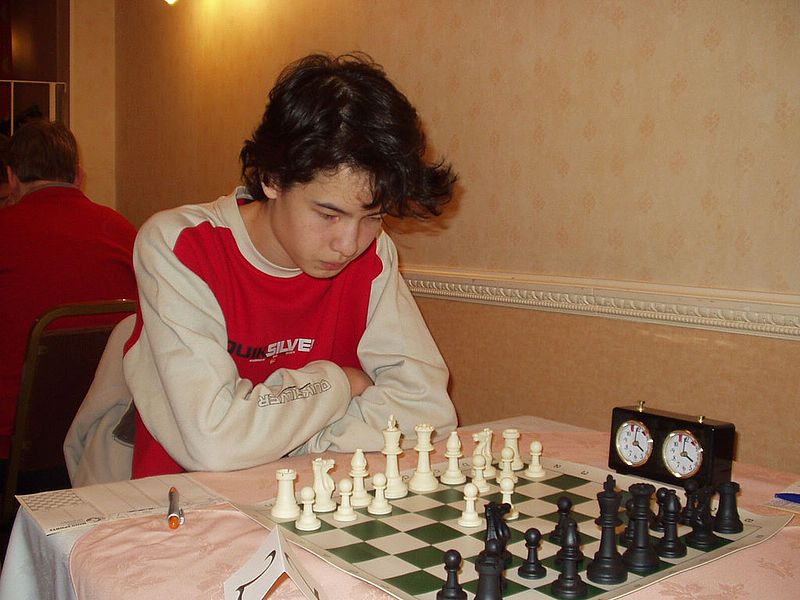
David Howell, born on November 14, 1990, in Eastbourne, England, stands as one of the most remarkable figures in modern British chess. A three-time British Champion (2009, 2013, and 2014), he earned the Grandmaster title at the age of 16, becoming the youngest Briton ever to do so at the time and the second-youngest overall. His peak FIDE rating of 2712 in August 2015 placed him at world number 36, and he has represented England with distinction in numerous Olympiads and team events, securing individual gold and team medals. Beyond competitive play, Howell has become a respected commentator, columnist for The Times, author, and educator, helping popularize chess through digital platforms.
His journey—from defeating a Grandmaster at age eight to thriving as a mature elite player and media personality—exemplifies dedication, natural talent, supportive guidance, and adaptability in a changing chess world.
Early Life and Introduction to Chess
David Howell was born to Dr. Martin Howell and Angeline Howell (originally from Singapore). He has a younger sister. The family lived in the Eastbourne area of East Sussex. His father, a doctor, purchased a second-hand chess set at a jumble sale when David was around five years and eight months old. This casual acquisition sparked a lifelong passion.
Young David quickly mastered the rules and began defeating his father regularly. His rapid progress caught the attention of the Sussex Junior Chess Association, where he received structured tuition from experienced county players. This early support was crucial. By age six or seven, he was already competing seriously in junior events.
Howell attended Eastbourne College, where he balanced academics with chess. He studied French, German (in which he became fluent), and Mathematics at A-level, demonstrating strong intellectual discipline alongside his chess pursuits. This balanced approach likely contributed to his long-term success, preventing burnout common among young prodigies.
The Prodigy Emerges (1990s–Early 2000s)
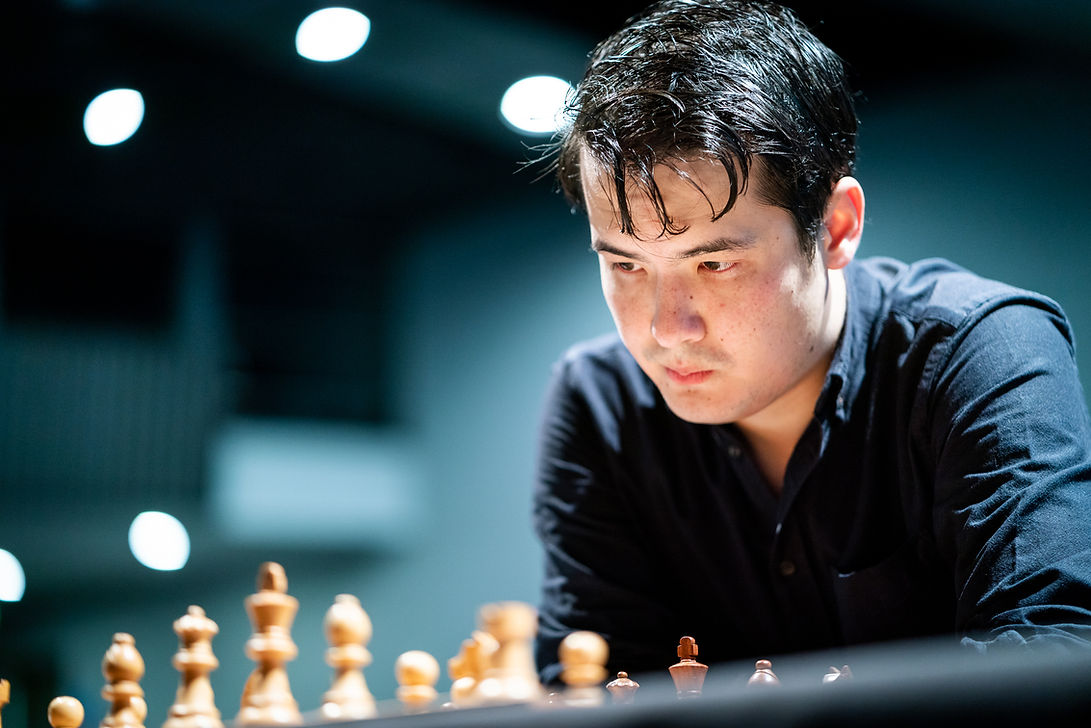
David Howell's prodigious talent became evident in the late 1990s. He dominated British age-group championships, winning titles in the Under-8, Under-9, and Under-10 categories. In 1999, at just nine years old, he won the London Junior Under-14 Chess Congress, breaking a record previously held by Nigel Short.
International fame arrived dramatically in August 1999 at the Mind Sports Olympiad in London. Eight-year-old Howell defeated Grandmaster John Nunn in a blitz game, setting a world record for the youngest player to beat a GM in an official game. This record stood until 2024. The event generated massive media coverage, with articles in The Guardian and appearances on major TV programs.
In 2000, at age nine, Howell became the youngest player ever to qualify for and compete in the British Chess Championship, finishing respectably. He placed fourth in the British Chess Federation's Player of the Year ballot that year.
His ascent continued. In January 2001, in the Hastings Challengers tournament, he became the youngest British player to defeat a Grandmaster in classical time controls, beating Scottish GM Colin McNab. Later in 2001, he tied for first at the European Youth Chess Championships (Under-12) and took joint second at the World Youth Chess Championships in the same category.
A landmark moment came in March 2002 when 11-year-old Howell drew against reigning World Champion Vladimir Kramnik in a four-game exhibition match. This made him the youngest player to score against a sitting world champion in an organized match. The publicity was immense, with features in national newspapers, CBBC, Channel 4 News, Richard & Judy, Blue Peter, and even Good Morning America. Patrick Moore presented him an award at a televised event for talented youngsters.
These early feats highlighted not just tactical sharpness but also composure under pressure and a deep understanding of the game unusual for his age.
Path to the Grandmaster Title (2004–2007)
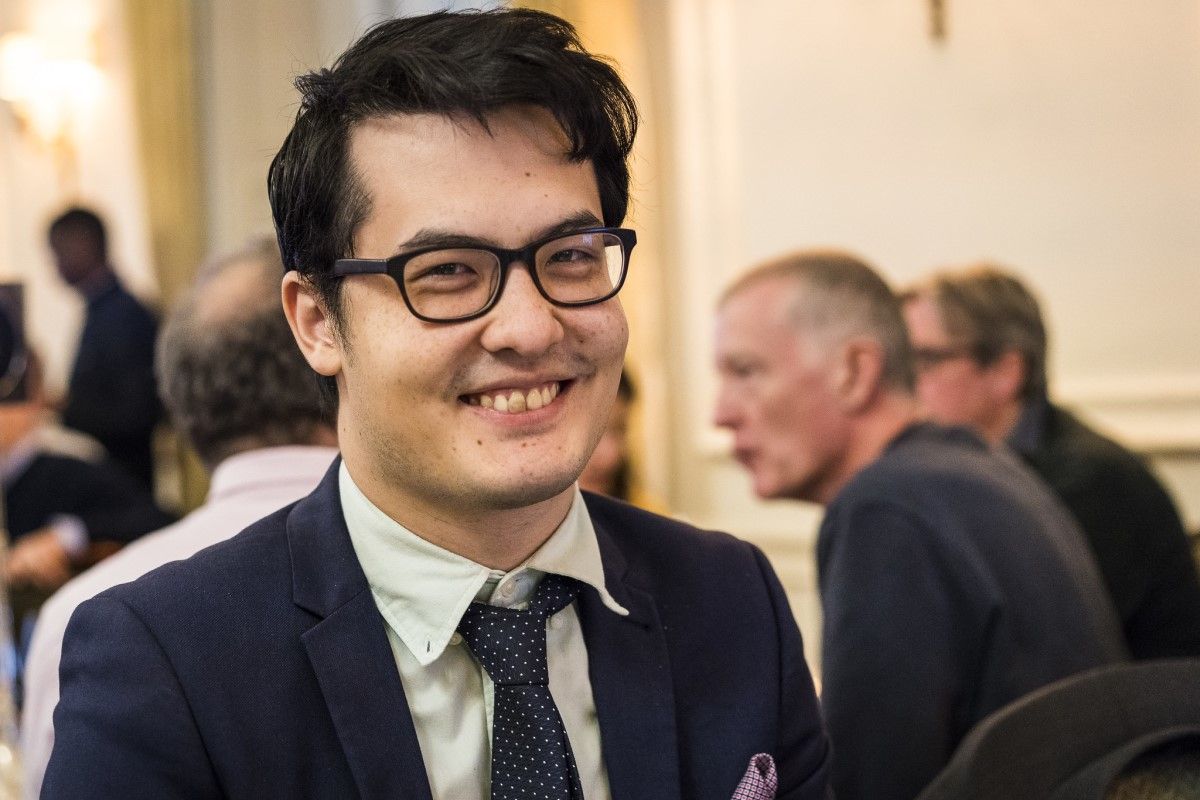
Progress in his early teens was steady rather than meteoric, allowing time for academics. Howell earned the FIDE Master title in 2001, International Master in 2004, and pursued the Grandmaster norms diligently.
He secured norms in the 4NCL (Four Nations Chess League) team events (2004/05 season), the CCA-ICC International in New York City (2005), and crucially at the Rilton Cup in Stockholm (2006/07). There, he tied for second with 7/9, earning his final norm and the GM title on January 5, 2007, at age 16 years and about two months. This broke Luke McShane's UK record by roughly six months. Howell became only the second-youngest Briton to achieve the title.
In 2007, he shared fourth in the British Championship and won the English Chess Federation's Player of the Year award.
Breakthrough and Peak Years (2008–2015)
2008 marked a significant leap. Howell won the Andorra Open with 8/9, ahead of strong GMs. He shared third at the World Junior Championship in Gaziantep and fifth at the EU Individual Open in Liverpool. He won the Winterthur Masters and contributed solidly (7.5/11, TPR 2675) on board 3 for England at the Dresden Olympiad.
He also claimed British Rapidplay titles in 2008 and 2009. In 2009, at 18, he won his first British Championship with 9/11—a dominant performance. He tied for first at the 2009/10 Hastings Congress and continued strong showings.
Further successes included winning the Leiden Chess Tournament (2012), his second British title in 2013 (9.5/11), and sharing first with Jonathan Hawkins in 2014. In 2015, he took clear second at the Gibraltar Masters (behind Hikaru Nakamura) and won the inaugural British Knockout Championship. His rating surged to 2712, entering the world's elite 2700 club and peaking at world No. 36.
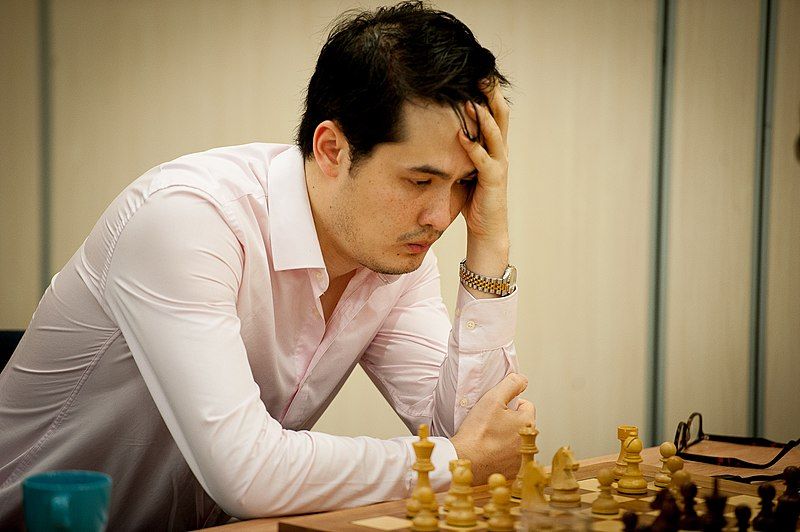
Howell represented England at multiple Chess Olympiads, contributing to strong team finishes. In 2019, he helped England win silver at the World Team Championship in Astana, earning individual bronze on board 3.
Later Career, Team Success, and Transition
While maintaining a high level, Howell reduced his tournament schedule somewhat to focus on commentary and content creation. He remains a top English player, often England's No. 1 in certain periods.
Notable later highlights include a near-qualification for the Candidates via the 2019 FIDE Grand Swiss (narrowly missing out after a final-round loss to Wang Hao). At the 2022 Chess Olympiad, he delivered a sensational performance on board 3: 7.5/8 with a 2898 TPR, earning individual gold—the highest performance of the event—and contributing to England's team success. This was his first Olympic medal.
Howell has played in prestigious events like the London Chess Classic multiple times and continues competing selectively while excelling as a streamer and commentator for platforms like chess24. He has commentated on major events, including Candidates tournaments. In 2025, Chess.com named him Commentator of the Year.
He has authored Chessable courses, such as "Grind Like a Grandmaster," and writes a column for The Times. His clear, insightful style makes complex ideas accessible.
Playing Style and Notable Games
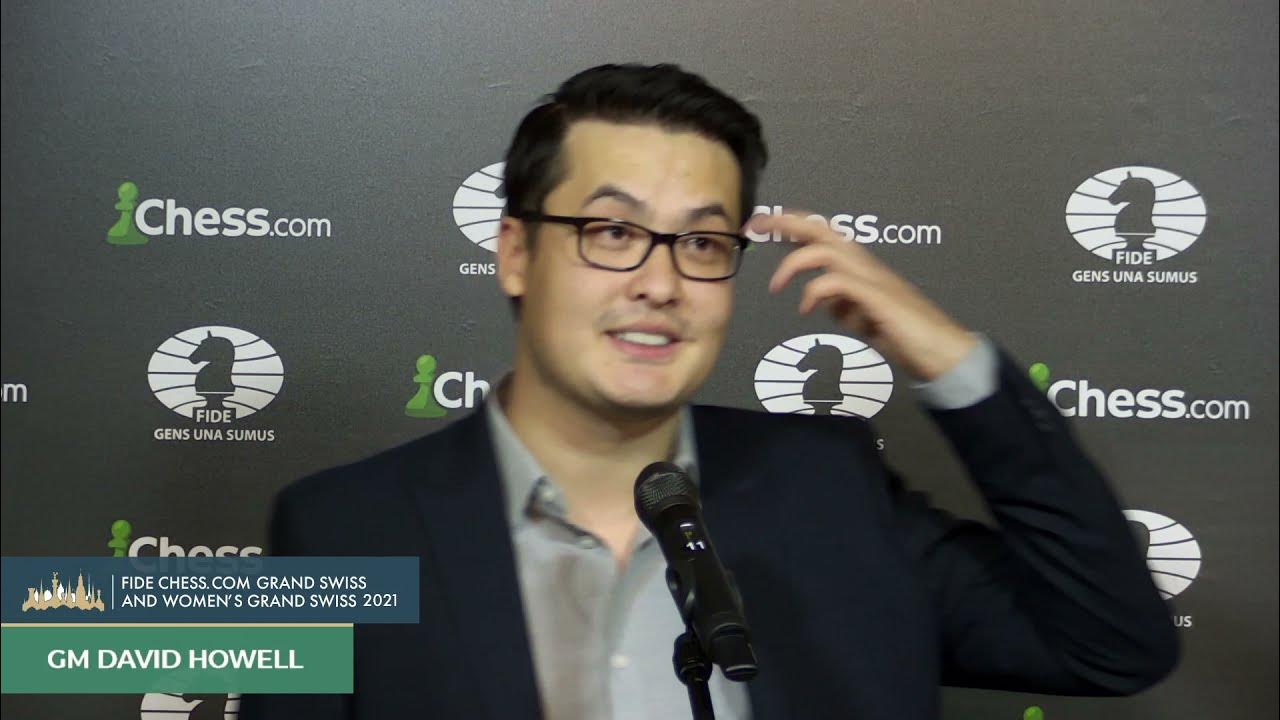
Howell is known for a solid, versatile style with strong endgame technique and tactical alertness. He favors principled openings and excels in converting small advantages. Notable games include wins against strong opponents like Michael Roiz, his draw with Kramnik, and victories over players like Teimour Radjabov or others in team events. His Olympiad performances showcase clutch play under national pressure.
Personal Life and Philosophy
Howell lives in the Oslo area, Norway. He has spoken in interviews about his friendship with Magnus Carlsen, dating back to junior events, and his evolving relationship with chess—moving from intense youthful drive to a more balanced appreciation. He values the mental benefits of the game and enjoys sharing knowledge.
His multicultural background (British with Singaporean heritage) and multilingual abilities enrich his perspective. He emphasizes hard work, continuous learning, and enjoyment in chess.
Legacy and Impact
David Howell's career bridges the pre- and post-internet eras of chess. As a prodigy, he inspired a generation of British players. As a champion and Olympiad hero, he delivered results for England. As a commentator and creator, he helps grow the game's audience in the streaming age.
With career earnings around $147,000 from prizes (plus income from other activities), his influence extends beyond ratings. He proves that prodigies can have sustainable, multifaceted careers. At 35 (as of 2026), he continues contributing at the highest levels.
David W.L. Howell's story is one of early brilliance nurtured into enduring excellence—a testament to talent meeting opportunity, discipline, and passion in the royal game. His records may be broken, but his impact on English and global chess endures.