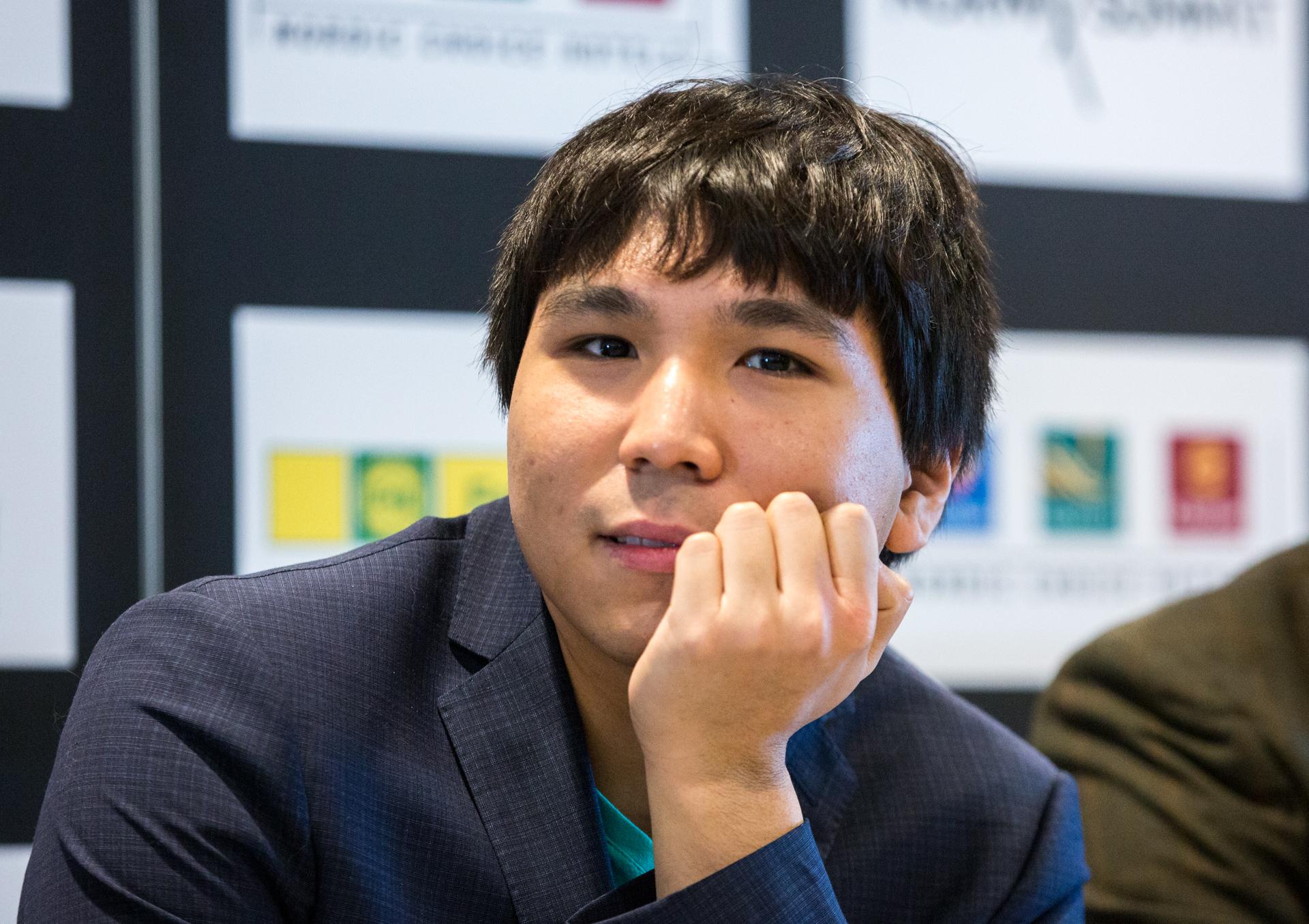
Wesley Barbossa So was born on October 9, 1993, in Bacoor, Cavite, Philippines, into a Filipino-Chinese family. His parents, William and Eleanor So, were accountants who viewed chess primarily as a distraction from more “practical” pursuits like a career in accounting. He has an older sister, Wendelle, and a younger sister, Wilma. Young Wesley attended Jesus Good Shepherd School and Saint Francis of Assisi College in Bacoor.
Chess entered his life around age six in a resource-scarce environment. In his neighborhood, the game was the “poor man’s game”—accessible with no cost. Without a proper chess set at home, Wesley learned by watching local players and improvising with bottle caps as pieces on makeshift boards. He was entirely self-taught, poring over photocopied chess books and newspaper clippings of grandmaster games. There were no coaches, no engines, and limited formal resources—just raw observation, repetition, and an innate talent for the game.
This grassroots foundation shaped a player whose understanding runs deep. By age nine, he entered local junior tournaments. In 2003, he won the Philippine National Chess Championships in the Under-10 section and captured Asian titles in classical, blitz, and rapid for his age group. These early victories marked the start of a prodigious rise.
Rapid Ascent in the Philippines (2004–2012)
Wesley’s progress accelerated. In 2005, at around age 12, he earned three International Master norms in quick succession—at the Dubai Open, San Marino Open, and Dato Arthur Tan Malaysia Open—becoming the youngest Filipino IM in history. He made his Olympiad debut in 2006 on the reserve board for the Philippine team.
In 2007–2008, he secured his Grandmaster norms. On December 8, 2007, at the Pichay Cup in Manila, he completed the final norm. At 14 years, 1 month, and 28 days, he became a Grandmaster—the youngest in Philippine history and one of the youngest ever globally (ninth or seventh-youngest depending on exact counting at the time). He was soon the top under-16 player in the world.
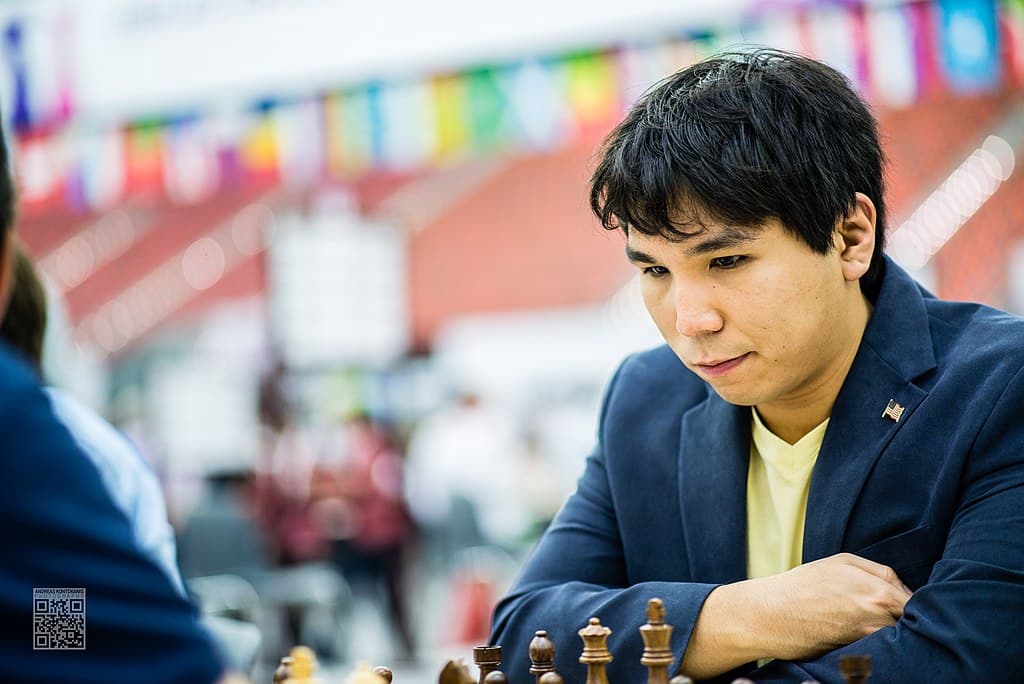
Later in 2008, he broke Magnus Carlsen’s record as the youngest player to surpass 2600 Elo, reaching 2610. His rating climbed rapidly; between early 2006 and April 2007, it increased by over 300 points to 2519. He won the Philippine Championship multiple times (three titles total) and performed strongly in events like the Dubai Open (shared first in 2008), Corus Group C (winner in 2009), and the 2009 World Cup, where he reached the fourth round after notable upsets.
Representing the Philippines, he competed in several Olympiads (2006, 2008, 2010, 2012), earning individual and team medals at junior levels. His style in these years was aggressive and tactical, evoking Mikhail Tal—willing to sacrifice for initiative. He relied on natural talent and street-honed instincts rather than deep preparation.
Challenges emerged. His family faced difficulties; his parents and sisters moved to Canada around 2009–2010, leaving the teenager largely on his own in Manila. There were tensions with the national federation over tournament selections and support. Despite successes, Wesley felt limited by infrastructure, connections, and opportunities in the Philippines.
The Move to America and Federation Switch (2012–2015)
In 2012, a scholarship from Webster University in Missouri—home to a strong chess program—offered a lifeline. Wesley arrived in the U.S. with about $2,000 and basic belongings. He initially represented the Philippines in some events but transferred federation allegiance to the United States in 2014.
The move provided stability through his adoptive family: former Filipino actress Lotis Key and her husband Renato “Bambi” Kabigting in Minnetonka, Minnesota. They met Wesley around 2013, formed an immediate bond, and took him in. Lotis became not only a surrogate mother but also his manager (“momager”), providing emotional and logistical support. Wesley has described this relationship as transformative, crediting it with saving his career when he was nearing burnout. He lives with them in Excelsior, Minnesota, considering them family. He became a U.S. citizen in February 2021.
The transition was not seamless. In 2015, during the U.S. Championship, his estranged biological mother appeared, contributing to a difficult performance (including a forfeiture for a rules violation, like writing notes). He later rebounded strongly.
Breakthrough and Peak Years (2015–2017)
Once settled, Wesley’s career soared. He evolved from a fiery attacker into a precise, positional player excelling in endgames and technical grinds. He favored solid openings like the Italian Game, Berlin Defense, and Catalan.
Key results included:
2015: Shared second at Tata Steel Masters; won Bilbao Chess Masters Final (tiebreaks over Anish Giri).
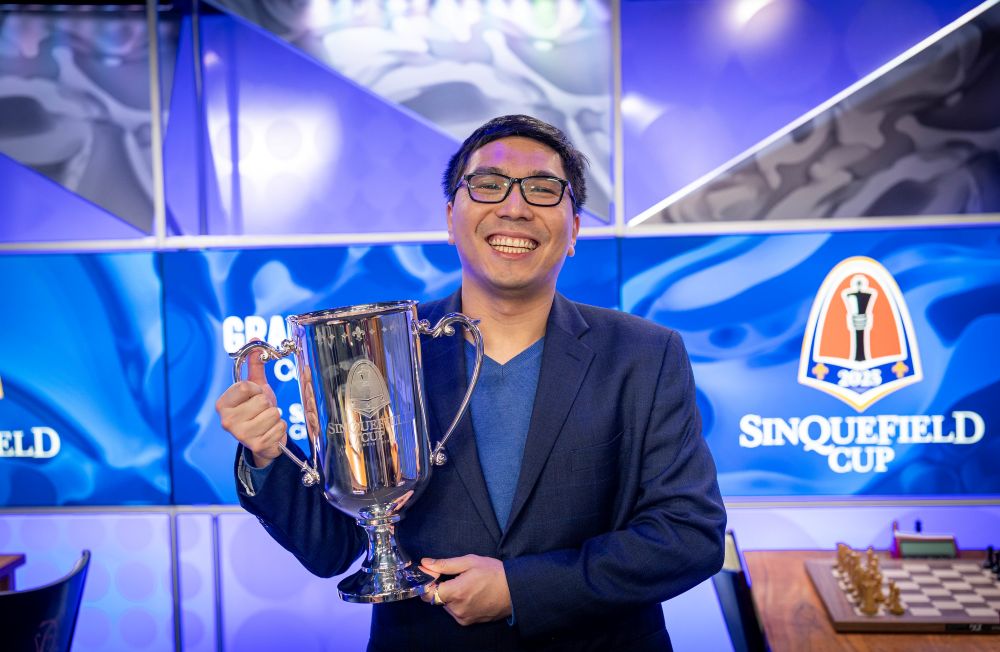
2016: Dominated the Grand Chess Tour. Won the Sinquefield Cup (clear first, performance rating ~2859) and London Chess Classic (clear first). Finished second in Leuven rapid/blitz. Overall GCT champion, earning significant prize money. At the Baku Olympiad, he helped the U.S. win team gold (first in 40 years) while taking individual gold on board 3.
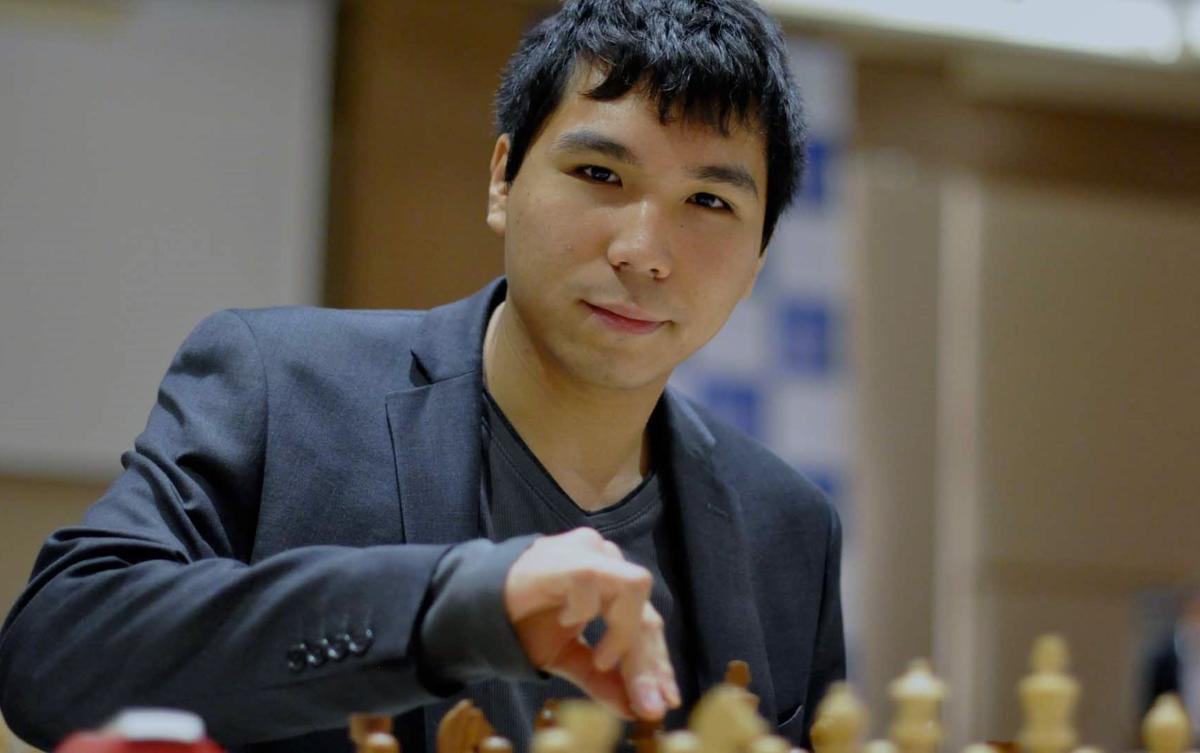
In 2017, he won Tata Steel Masters ahead of Magnus Carlsen by a full point (9/13), crossed 2800 Elo (one of the youngest to do so), and peaked at 2822 in early 2017—world No. 2 and fifth-highest rated in history. He won his first U.S. Championship (tiebreaks over Alexander Onischuk) during a remarkable 67-game unbeaten streak against elite opposition.
He qualified for the 2018 Candidates but had a disappointing result (7th). Still, his consistency placed him firmly in the super-GM elite.
Fischer Random Mastery and Further Titles
Wesley has long favored Chess960 (Fischer Random), where randomized starting positions reduce memorized opening theory and emphasize pure understanding—perfect for his self-taught background. In 2019, he won the inaugural FIDE World Fischer Random Championship in Norway. He defeated Ian Nepomniachtchi in the semis and crushed Magnus Carlsen 13.5–2.5 in the final (four wins, two draws, no losses in classical rapid). This remains one of his crowning achievements.
He added two more U.S. Championships (2020, 2021) and won the 2021 Grand Chess Tour. In online events, he secured titles like the 2020 Clutch Chess and strong performances in Champions Chess Tour events.
Recent Years and Continued Excellence (2022–2026)
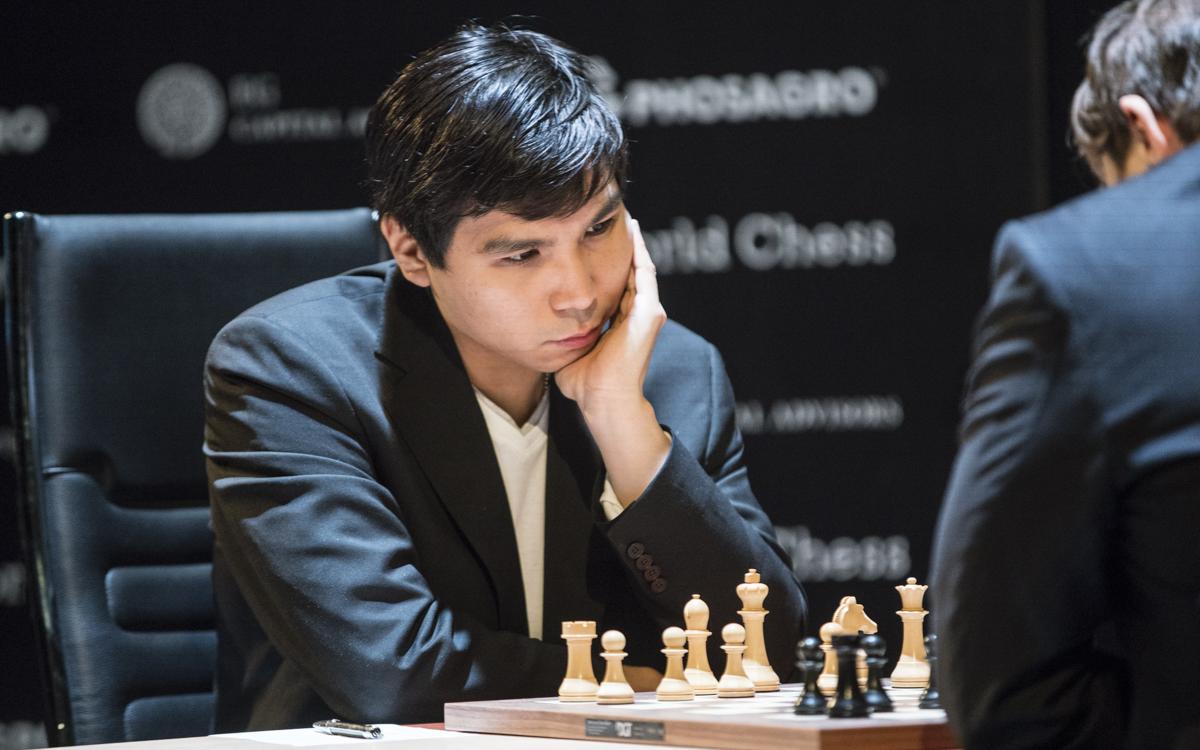
Wesley maintains a top-10 presence with a more selective schedule, prioritizing quality and well-being. In 2025, he won the Sinquefield Cup for the second time, prevailing in a dramatic blitz playoff over Fabiano Caruana and Praggnanandhaa after a three-way tie—echoing his 2016 triumph.
He has earned team silver at Olympiads (Batumi 2018, Budapest 2024) and individual successes. As of May 2026, his classical rating is around 2754 (world top 10), with a peak blitz rating near 2800. Lifetime earnings exceed $3 million.
His style emphasizes patience, precision, and endgame mastery. He builds small edges and converts them reliably. A 67-game unbeaten run highlights his resilience. He acknowledges a cautious tendency that sometimes forgoes quick knockouts for safer paths.
Personal Life, Faith, and Legacy
Wesley leads a relatively private life in Minnesota, focusing on family, Bible study, exercise, and simple routines. His Christian faith is central; he views it as providing perspective on wins and losses, playing best when content rather than driven by anger. He avoids excessive social media for mental health.
He gives back, supporting chess access for Filipino children via partnerships like ChessKid.com, inspired by his own humble beginnings.
Wesley So’s trajectory—from bottle-cap chess in Bacoor to defeating the world’s best in randomized formats—embodies determination, adaptability, and talent. He overcame family estrangement, federation limitations, and a new country’s challenges through self-reliance and supportive relationships. As a three-time U.S. Champion, two-time GCT winner, Fischer Random World Champion, and perennial top player, his story inspires prodigies and amateurs alike. In an era of heavy engine preparation, his emphasis on understanding reminds us of chess’s timeless beauty.