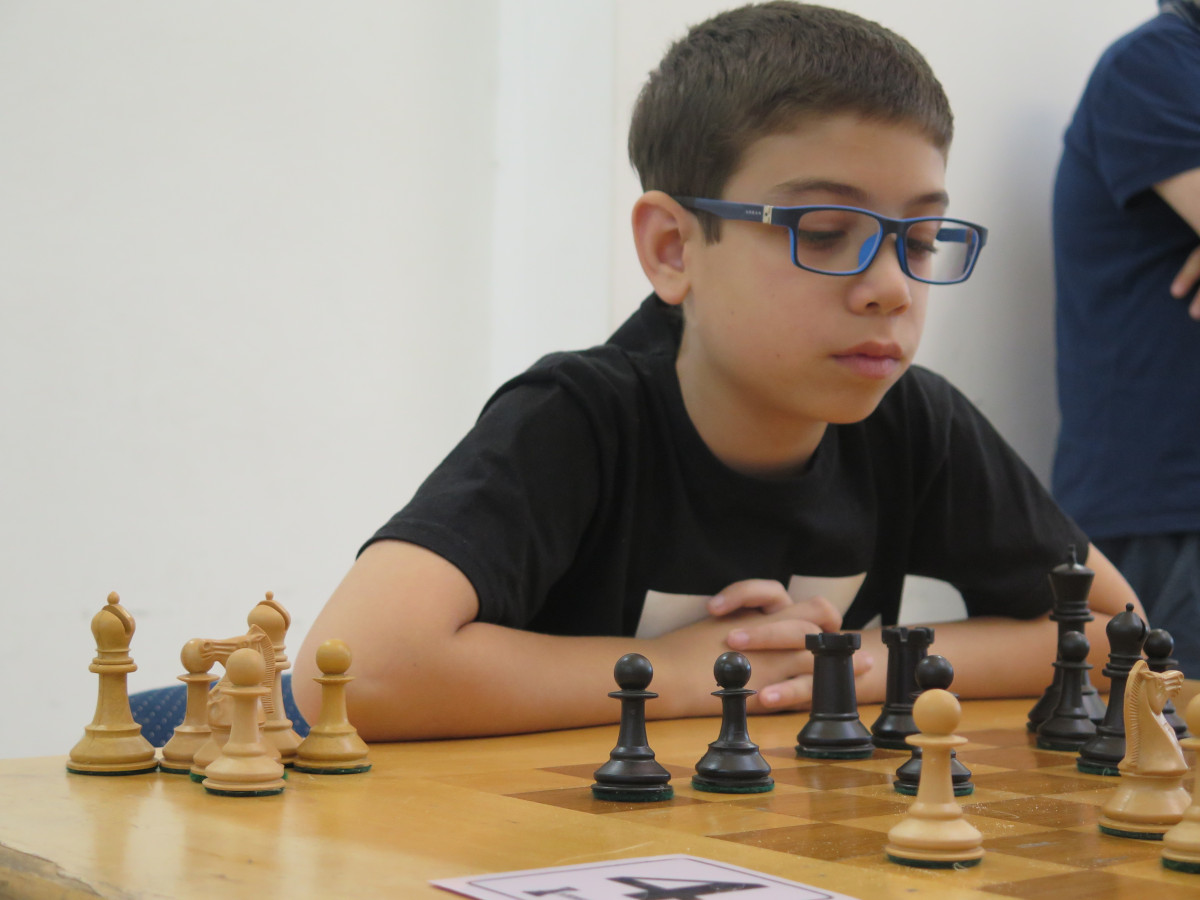
Faustino Oro, born on October 14, 2013, in Buenos Aires, Argentina, has emerged as one of the most extraordinary chess talents of the 21st century. Often nicknamed the "Messi of Chess" or "Chessi" in his home country, Oro's meteoric rise from a pandemic-era beginner to a Grandmaster (GM) at the age of 12 years, 6 months, and 26 days places him second only to Abhimanyu Mishra in the annals of chess history for the youngest to achieve the game's highest title. His story is one of raw talent, relentless family dedication, disciplined training, and a passion that has inspired a chess renaissance in Argentina and beyond.
Early Life and Family Foundations
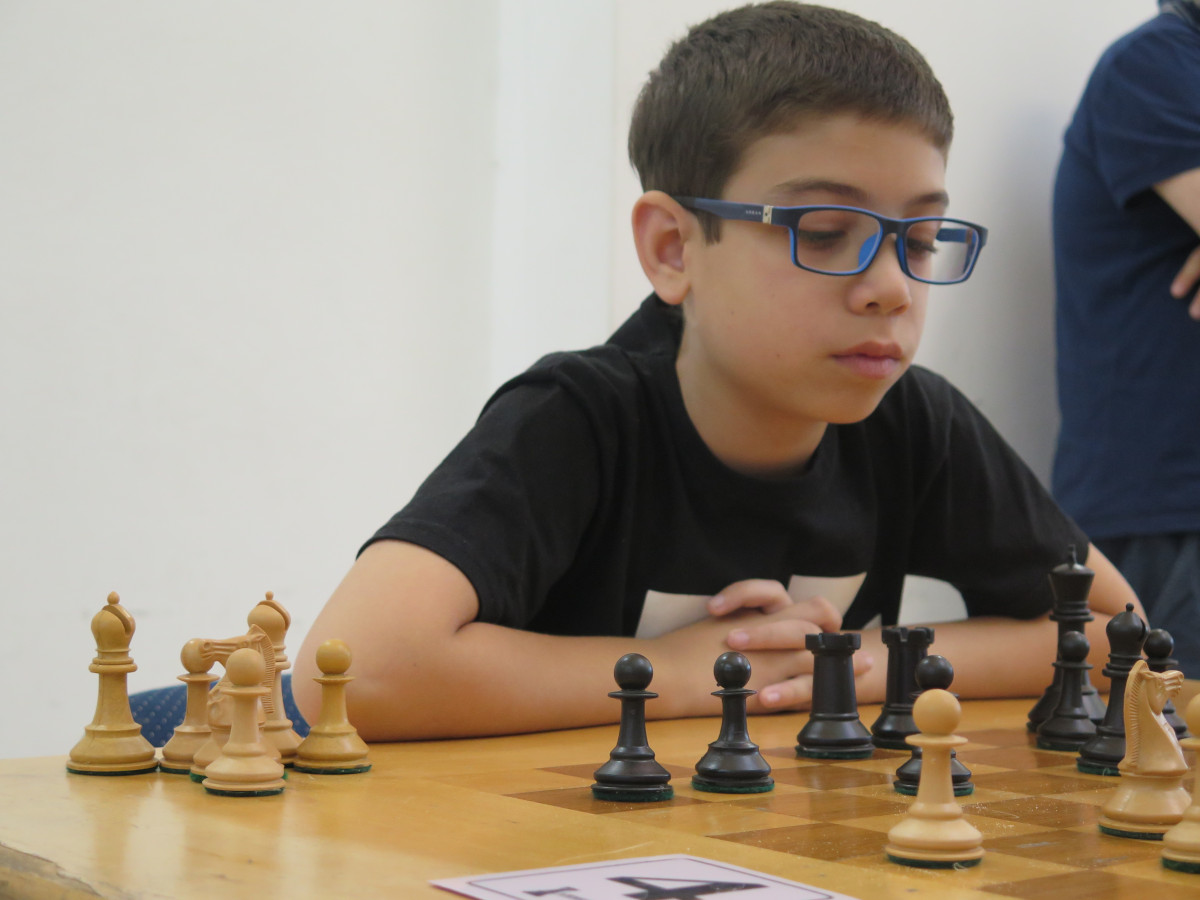
Faustino Oro was born into a middle-class family in Buenos Aires. His parents, Alejandro Oro and Romina Simondi, both worked as accountants. Like many Argentine families, they valued education, sports, and intellectual pursuits. Young Faustino, or "Fausti" as he is affectionately known, showed early signs of high energy and competitiveness. He loved playing football and was an active child who enjoyed outdoor activities.
The COVID-19 pandemic in 2020 dramatically altered the trajectory of his life. With lockdowns confining families indoors, Alejandro, a chess enthusiast and active member of the local chess community, sought ways to channel his son's boundless energy. At his wife's suggestion, he created a Chess.com account for the then-six-or-seven-year-old Faustino. What started as a casual distraction to prevent the boy from kicking balls around the house and breaking things quickly evolved into an obsession.
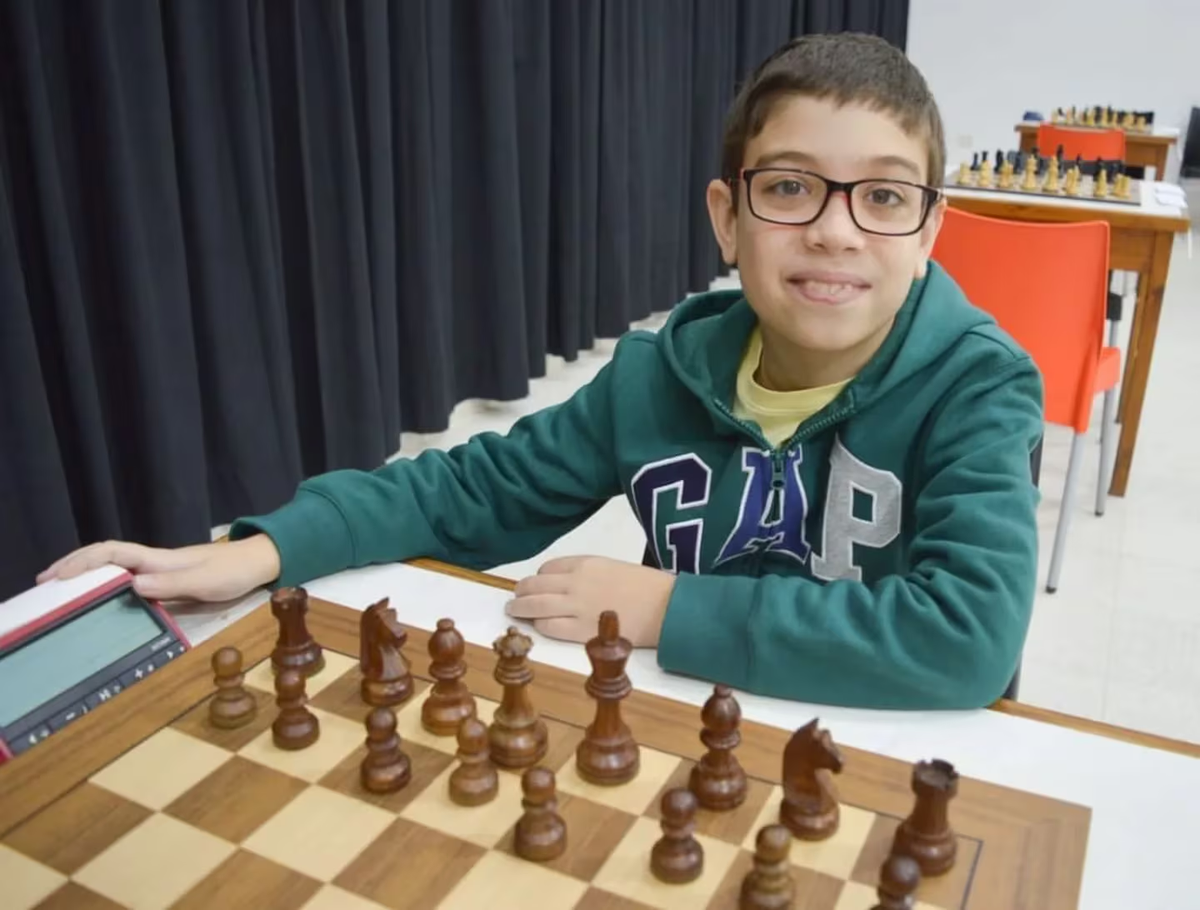
Faustino grasped the rules rapidly and displayed an intuitive understanding of the game. Within months, he was devouring chess content, solving puzzles, and playing online. His father provided initial guidance, but it soon became clear that Fausti needed structured coaching. He began formal lessons supplemented by online training. By age eight, he was already the highest-rated under-10 player in the world and the number one in the U-8 category.
The family's commitment was profound. Recognizing the limitations of opportunities in Argentina for a prodigy of his caliber, Alejandro and Romina made a life-altering decision. In 2023 or early 2024, they resigned from their well-paid accounting jobs and relocated the family to Badalona, near Barcelona in Spain. This move provided better access to elite tournaments, training partners, and the vibrant European chess scene. The sacrifice underscored their belief in Faustino's potential and provided the stability needed for his development.
Rapid Ascent: Breaking Records as a Child
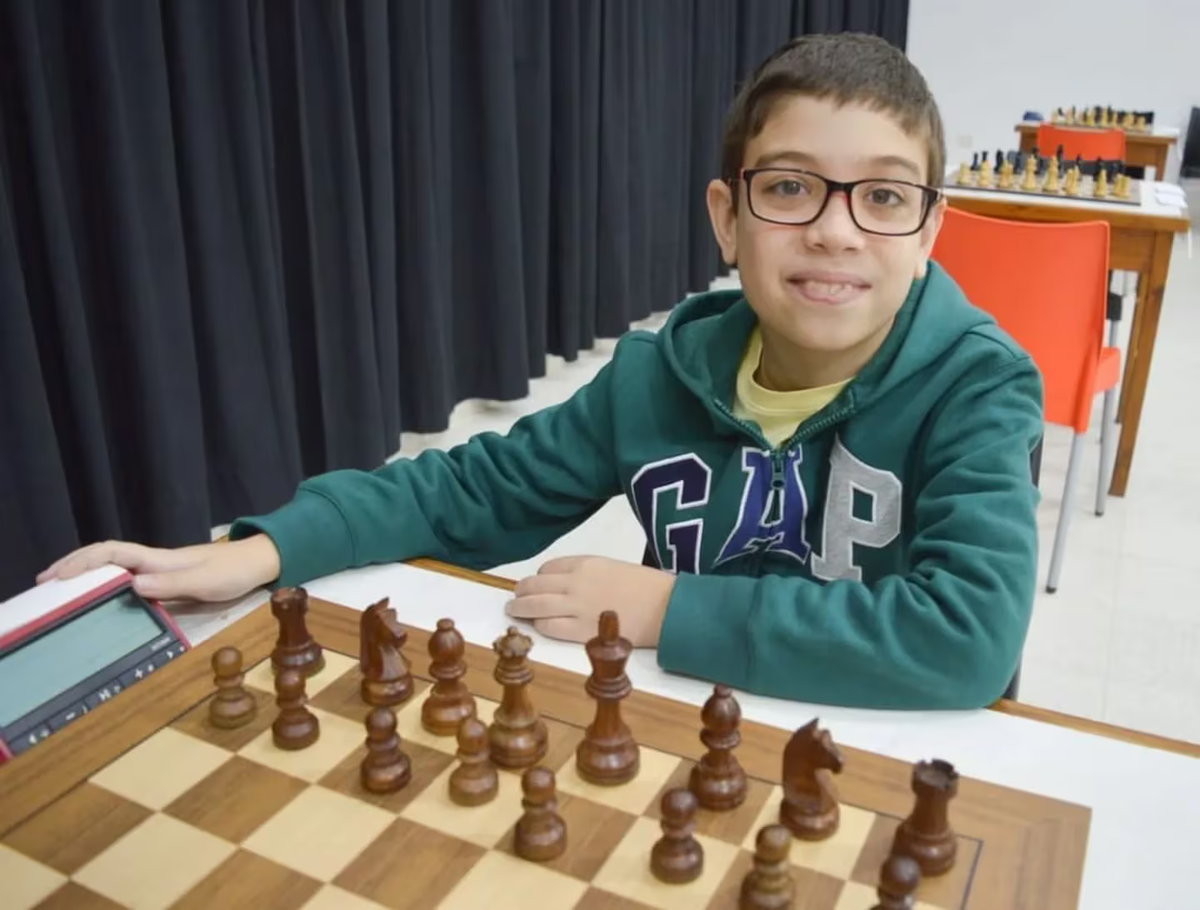
Faustino's progress was nothing short of astonishing. In 2022, he earned the Candidate Master (CM) title. By April 2023, at around nine years old, he became the youngest FIDE Master (FM) in history. His classical rating skyrocketed. In 2023, at age nine, he crossed the 2300 Elo barrier, becoming the youngest player ever to achieve that milestone at the time (a record later surpassed by Ethan Pang). He had previously broken the 2200 mark even earlier.
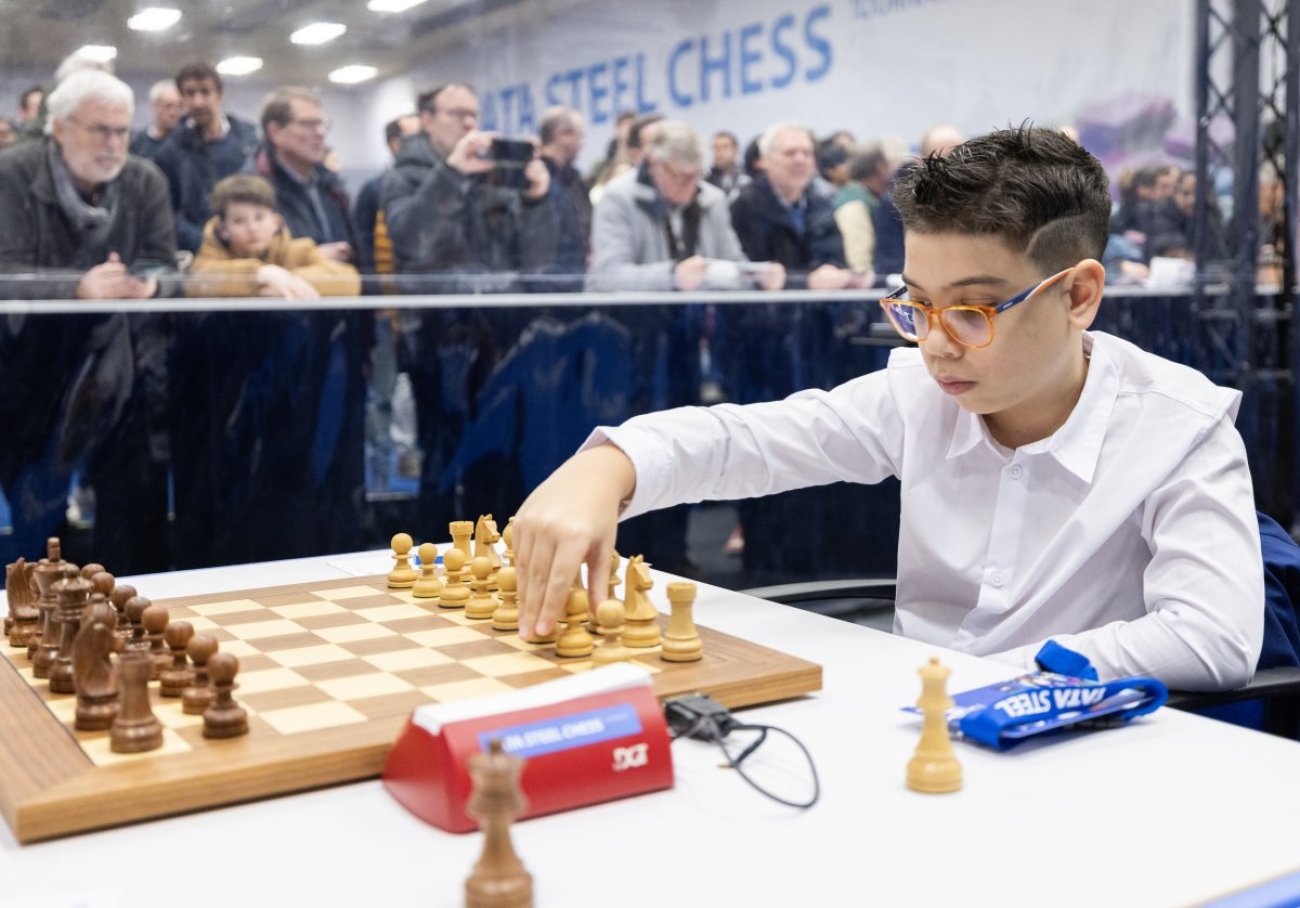
His first International Master (IM) norm came in September 2023 at the Comodoro Rivadavia City Cup, where he finished as runner-up. He was just nine years and some months old. This made him the youngest to score an IM norm, though that record too was later broken. He continued accumulating norms and points with remarkable consistency.
On June 30, 2024, in Barcelona, Spain, Faustino secured his third IM norm with a score of 6.5/9 at the Cerrado IM Barcelona tournament. At 10 years, 8 months, and 16 days, he became the youngest International Master in chess history, surpassing Abhimanyu Mishra's previous record. His FIDE rating at the time was around 2400 or higher, and he was firmly established as a top junior player.
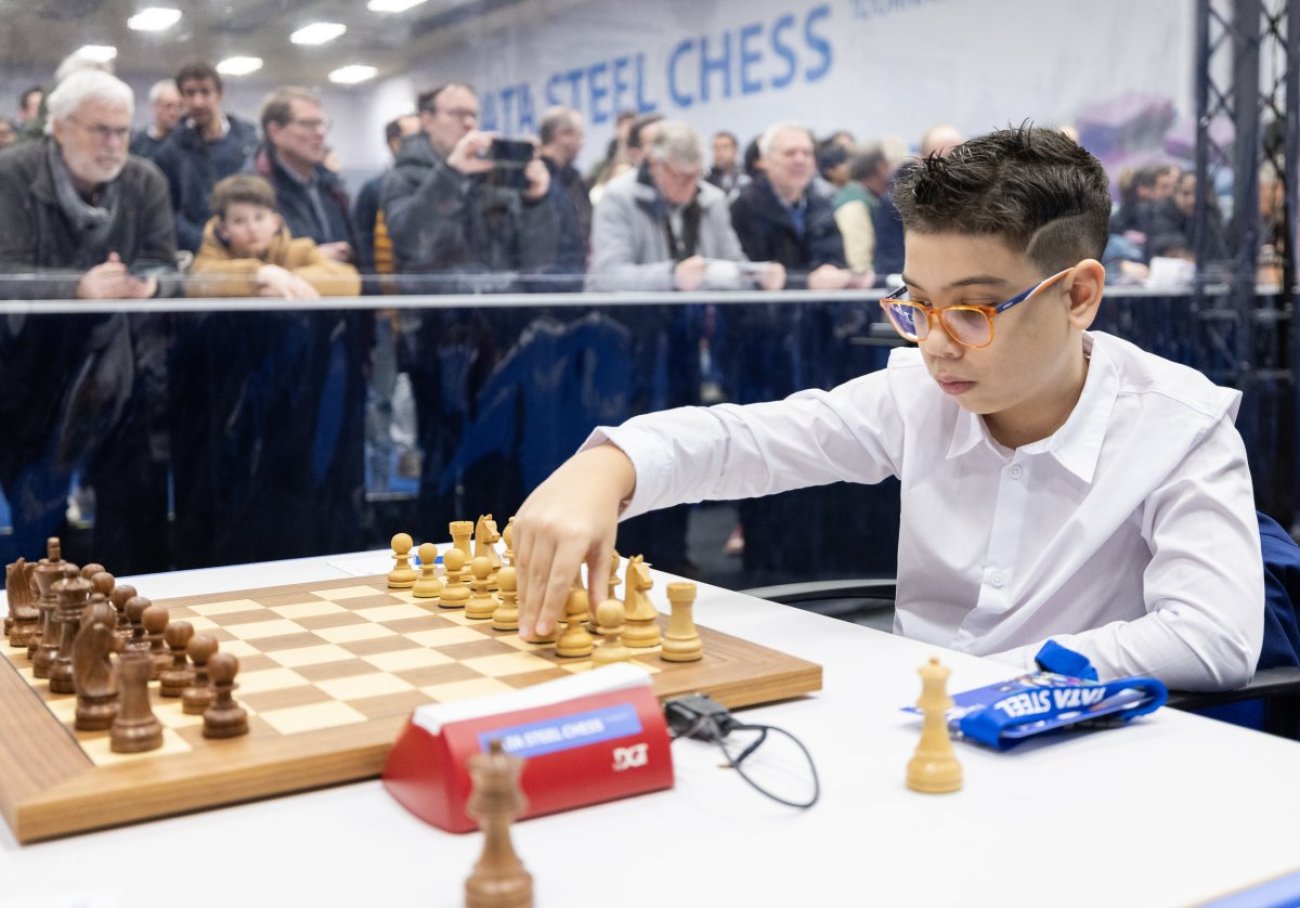
One of the most viral moments of his early career came in March 2024 when, as a 10-year-old, he defeated the five-time World Champion and then-world number one Magnus Carlsen in an online bullet game on Chess.com. The clip spread like wildfire, highlighting not just his tactical sharpness but also his composure under pressure against the game's greatest player. He has also performed exceptionally in online events, achieving high blitz ratings and competing in Titled Tuesdays.
Key Milestones Toward the Grandmaster Title
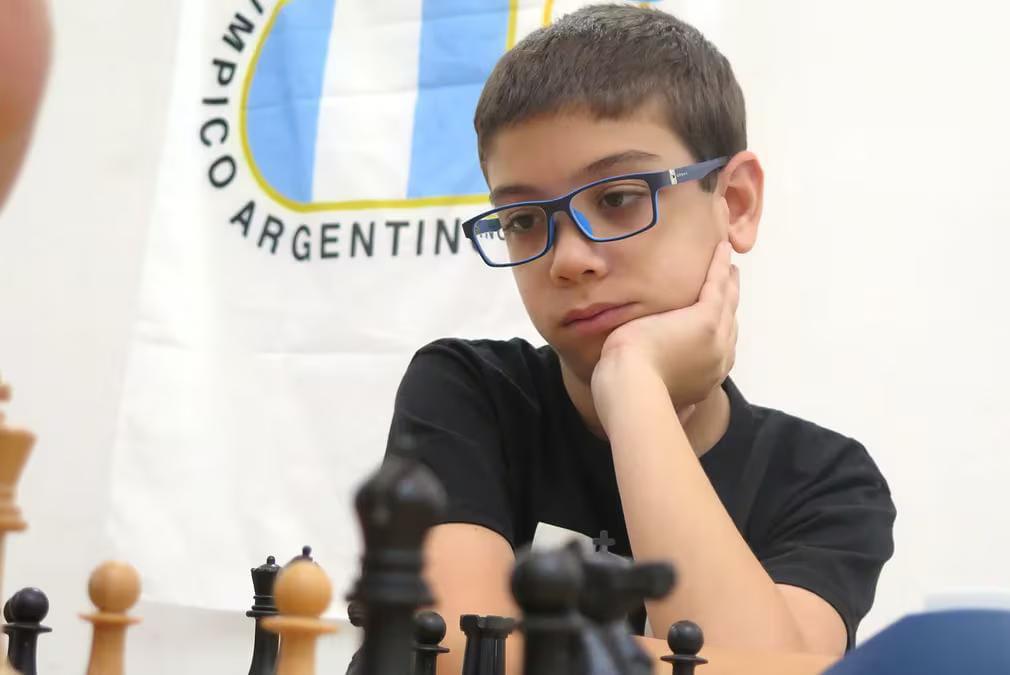
Achieving the GM title requires three norms (performances at a high level against strong opposition) and a rating of at least 2500. Faustino tackled this with the same intensity that defined his earlier achievements.
In September 2025, at the Legends and Prodigies 2025 tournament in Madrid, Spain, he scored an undefeated 7.5/9, earning his first GM norm with a performance rating of 2759. This also propelled him past 2500 Elo, making him the youngest player and first 11-year-old to reach that rating. He shattered records previously held by players like Gukesh Dommaraju.
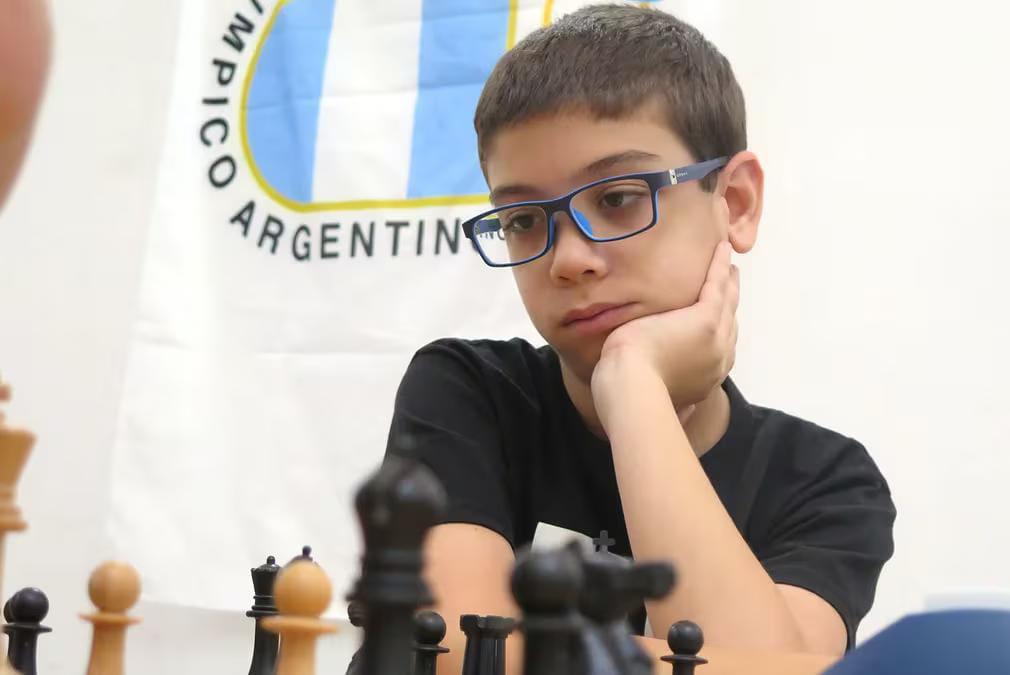
His second GM norm came in December 2025 at the Magistral Szmetan-Giardelli in Buenos Aires on home soil. Scoring 5.5/9 with a performance rating of 2608, he gained rating points and edged closer to the title.
The pursuit of the youngest GM record was intense. In early 2026, at the Aeroflot Open, he came agonizingly close but fell short in the final round. Undeterred, he competed at the Sardinia World Chess Festival in May 2026. Scoring 6/9 and finishing 16th, he secured his third and final GM norm. At 12 years, 6 months, and 26 days old, Faustino Oro became the second-youngest Grandmaster in history, behind only Abhimanyu Mishra. His peak classical rating reached 2528 by April/May 2026.
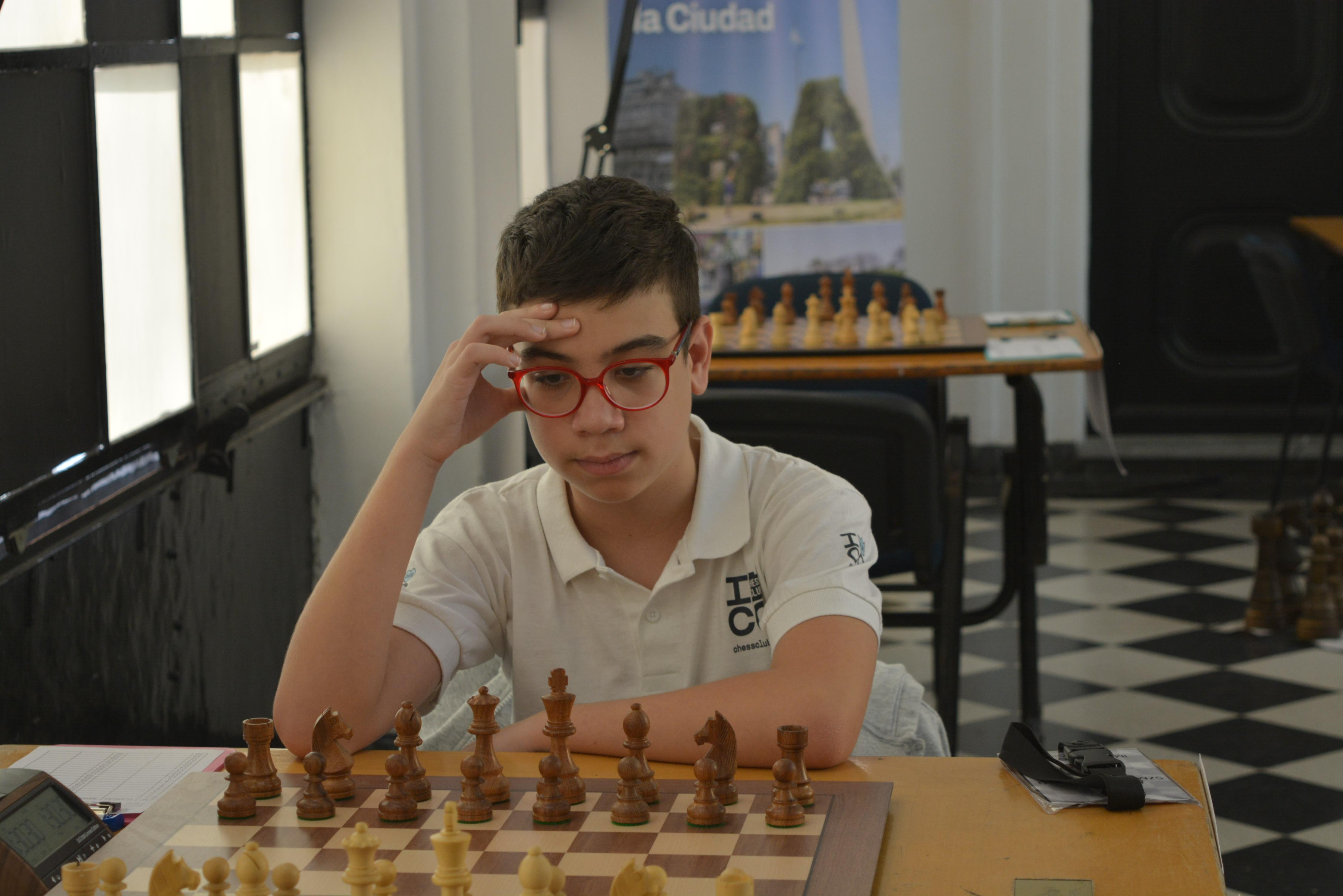
Other notable achievements include winning his first-round match at the 2025 FIDE World Cup against GM Ante Brkić (becoming the youngest to win a World Cup match), competing in elite events like the Tata Steel Challengers, and facing top players such as Ian Nepomniachtchi.
Playing Style, Training, and Support System
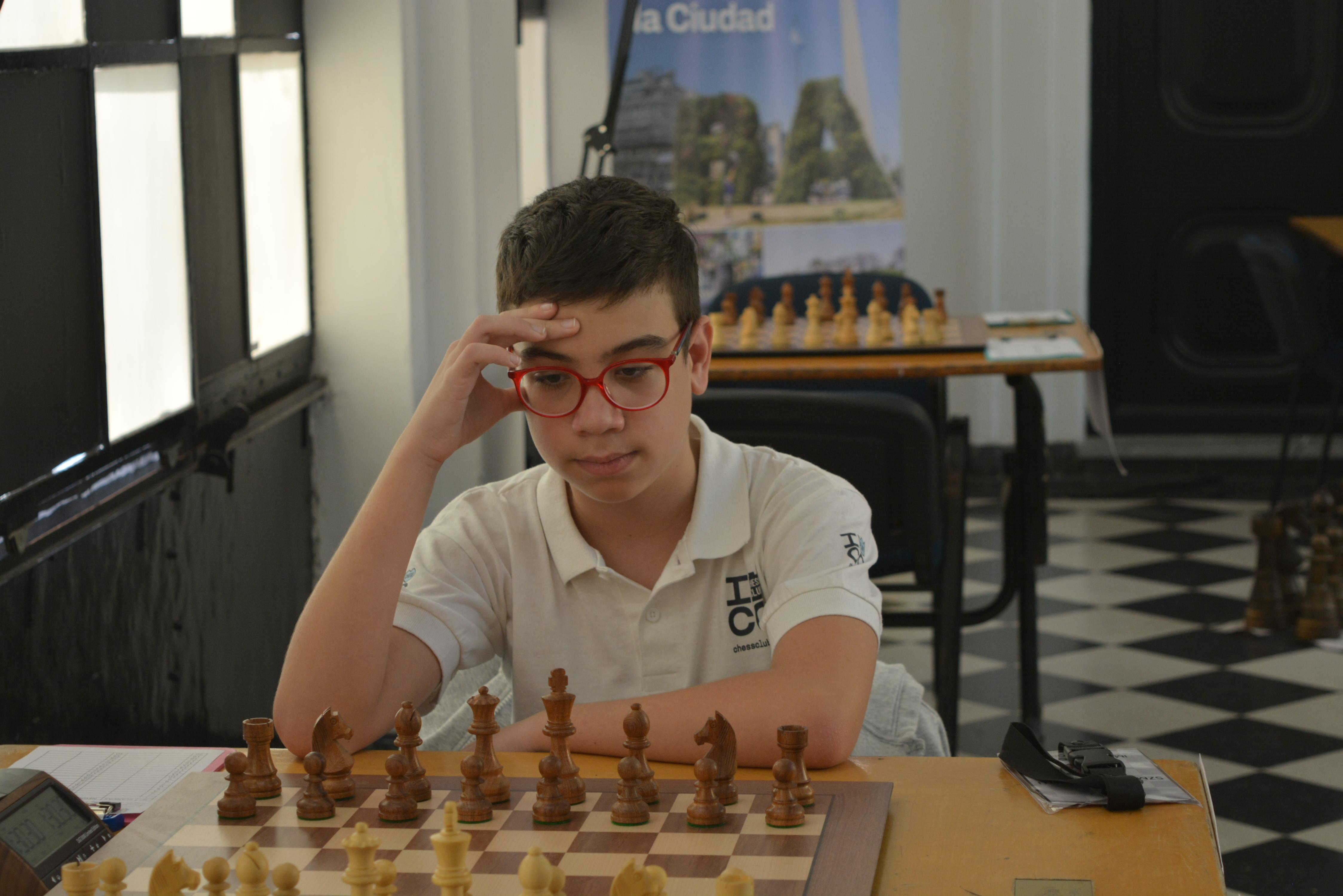
Observers praise Oro for his creative play, strong positional understanding unusual for his age, and tactical acuity. He combines solid fundamentals with a fighting spirit, often excelling in complex middlegames and endgames. His online success in faster time controls demonstrates versatility.
Faustino trains rigorously—typically 5-6 hours a day—emphasizing that hard work surpasses raw talent for reaching the pinnacle. He benefits from top coaches, sparring partners in Spain, and family support. His parents manage logistics, while he balances chess with normal childhood elements, though tournaments dominate his schedule. He remains a fan of football (supporting Vélez Sársfield) and idolizes Messi and Carlsen.
Impact and Legacy
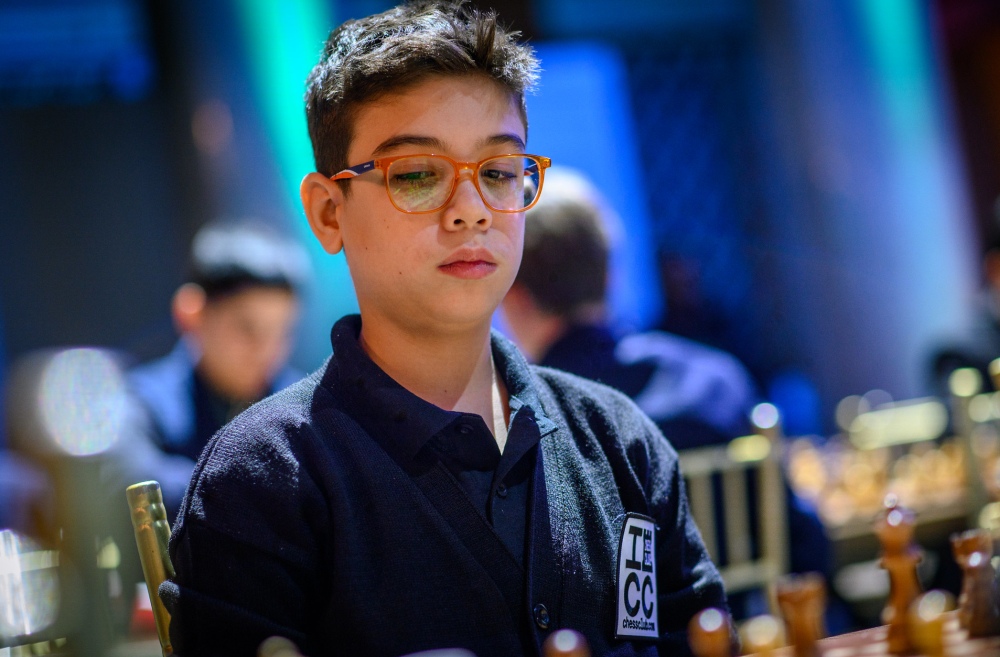
Oro's success has sparked a "revolution" in Argentine chess. The Argentine Chess Federation (FADA) notes increased youth participation, bolstered by school programs and sponsorships. As a national hero dubbed "el pibe de oro" (the golden boy), he inspires children across South America.
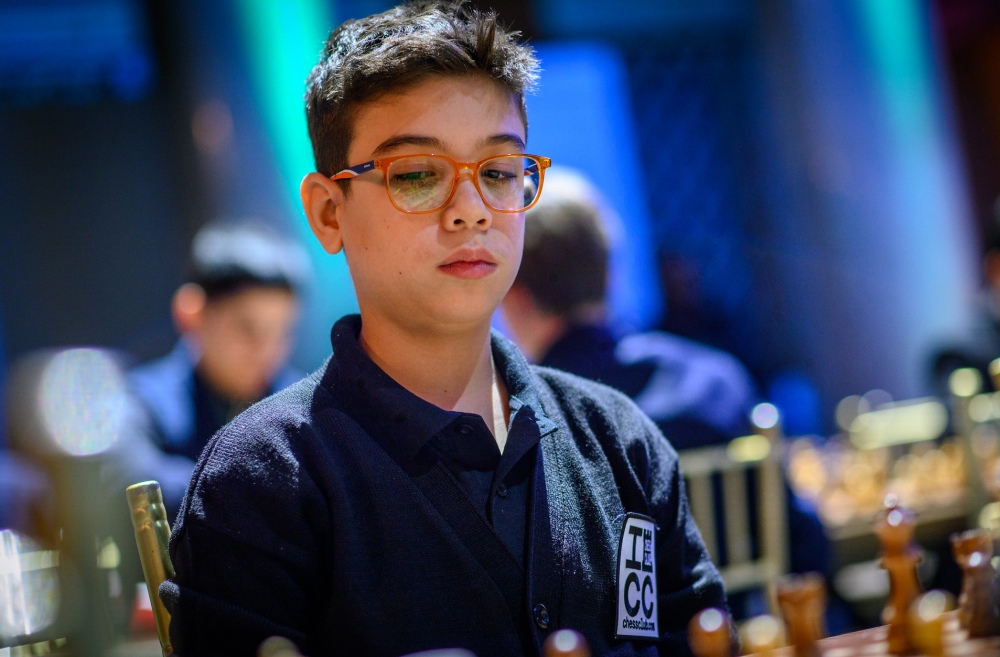
His journey highlights themes of sacrifice, opportunity, and dedication. The family's relocation exemplifies the lengths parents will go for their child's gift, while Faustino's focus shows the discipline required at the elite level.
Future Aspirations
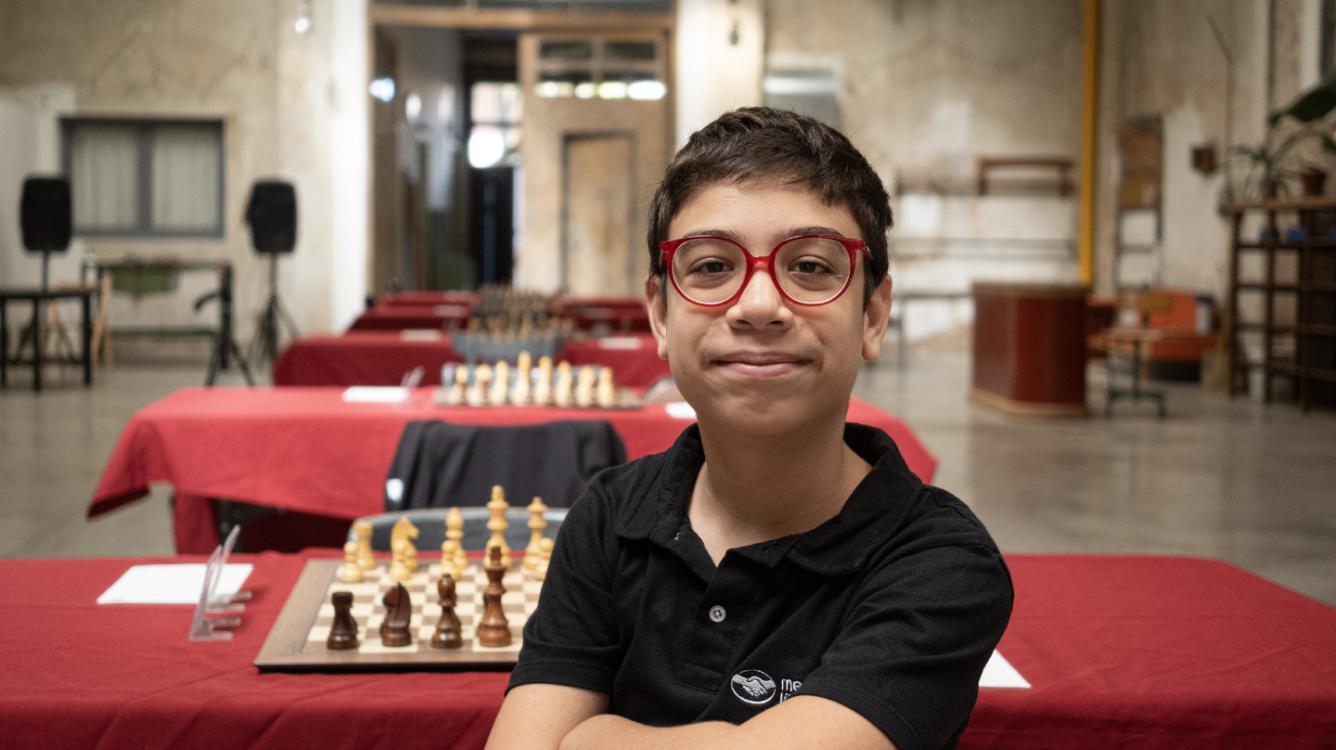
In interviews after earning the GM title, Faustino expressed humility and ambition. His dream is to become World Champion, potentially by 2032. He focuses on daily improvement, winning the next game, and enjoying the process rather than obsessing over records. He advises aspiring players to practice consistently and love the game.
At just 12 years old (as of mid-2026), with a rating over 2500 and growing experience against the world's best, Faustino Oro's ceiling appears limitless. He participates in high-level tournaments, including Challengers sections and opens, steadily building toward challenging the absolute elite.
Conclusion
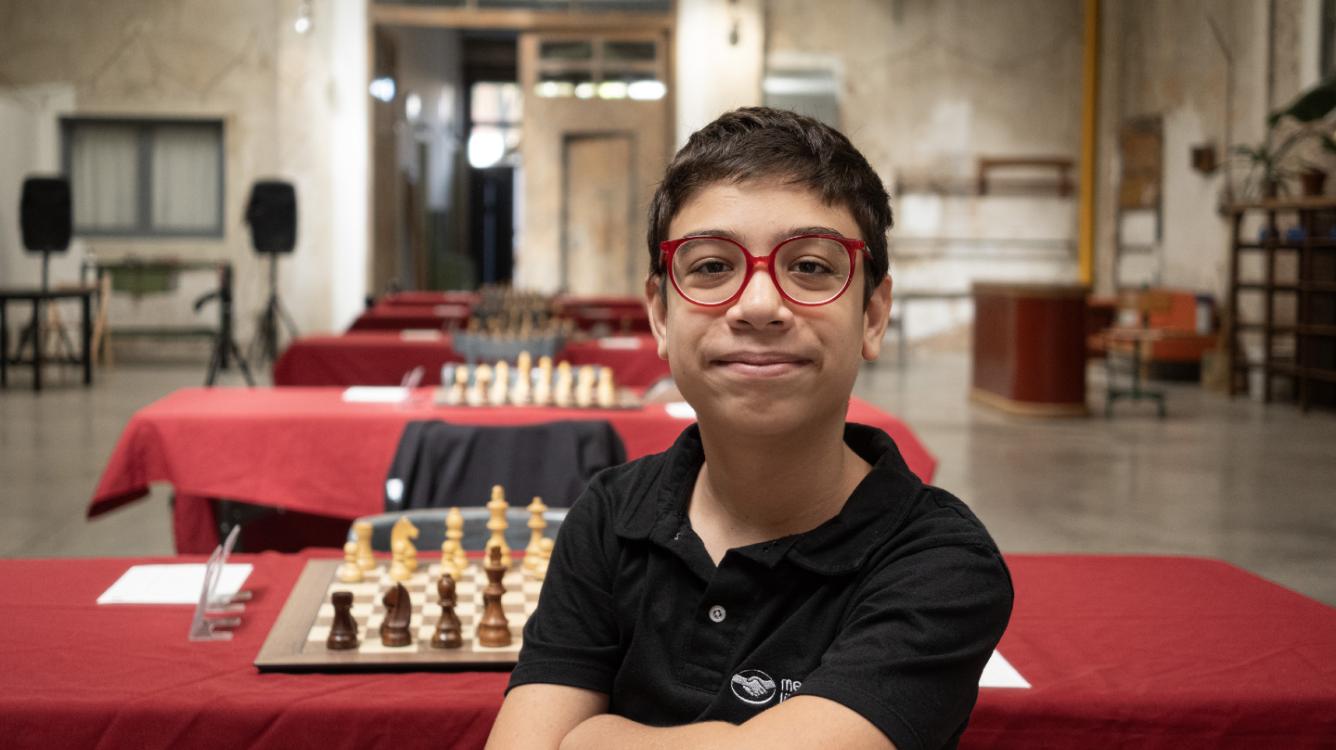
Faustino Oro's biography is a testament to the power of early exposure, family support, and unwavering commitment. From learning moves during a global lockdown to standing among chess immortals as the second-youngest GM ever, his path redefines what is possible for a child in the modern era. As he continues to mature, the chess world watches eagerly. Whether he fulfills his World Championship dream or not, Faustino has already secured his place as one of the greatest prodigies in chess history—and a beacon of inspiration for generations to come.