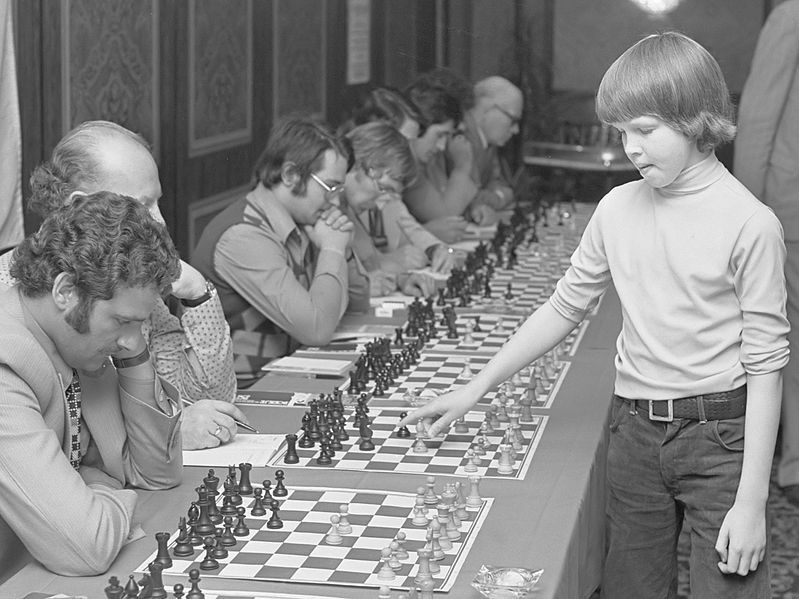
Nigel David Short MBE, born on 1 June 1965 in Leigh, Lancashire, England, stands as one of the most significant figures in British chess history. A chess prodigy who rose to become a Grandmaster at 19, a world number three, and the first (and to date only) Englishman to challenge for the undisputed World Chess Championship, Short's career spans over five decades of competitive play, innovation, controversy, and contribution to the game. His trajectory from a self-taught youngster in northern England to a global chess ambassador embodies dedication, tactical brilliance, and resilience.
Early Life and the Spark of Genius
Short was born the second of three boys to David Short, a journalist, and Jean Short, a school secretary. The family lived in Atherton, where Nigel attended St Philip's Primary School. Chess entered his life at age five when he watched his father teaching his older brother Martin. Young Nigel was captivated and quickly surpassed his sibling. He joined the Atherton Chess Club, founded by his father, after Bolton Chess Club initially rejected him at age seven for being too young.
His parents' divorce when he was 13 was a personal challenge, but chess provided focus and outlet. Short studied at the independent Bolton School—known for its strong chess program—and later Leigh College, but he left formal education at 17 after completing four O-levels to pursue chess professionally. This decision, bold for a teenager, reflected his prodigious talent and single-minded ambition.
Short was virtually self-taught, absorbing knowledge from books and practice rather than formal coaching. His rapid progress stunned the chess world. At age 10, in a 1975 or 1976 simultaneous exhibition in London against Viktor Korchnoi (then world number two), the youngster was the only winner on 31 boards. This feat made national headlines and marked him as a prodigy.
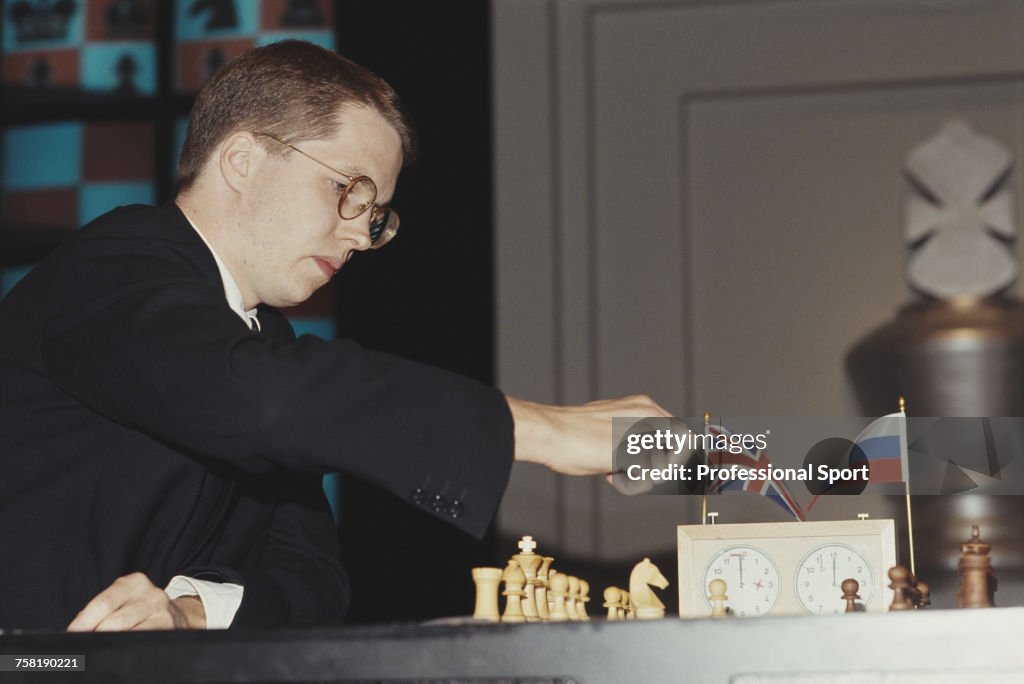
In 1977, three days before his 12th birthday, Short qualified for the British Chess Championship via the North West Zonal—the youngest participant ever. He scored a respectable 5/11, defeating ten-time champion Jonathan Penrose. That same year, he earned a Master rating. In 1978, at 13 years and 5 months, he won the British Lightning Championship (a rapid format), repeating the feat in 1980.
His international breakthrough came in 1979. At the British Championship in Chester, he tied for first with John Nunn and Robert Bellin, securing his first IM norm (Bellin took the title on tiebreak). Later that year, he tied for first in the World Cadet Championship (Under-16) in Belfort, France, but lost the title on tiebreak to Marcello Tempone. By scoring 8/15 in the Hastings Premier 1979/80, he became the youngest International Master in history at the time, surpassing Bobby Fischer's record. FIDE ratified the title in late 1980.
Short participated in four World Junior Championships (1980–1983), finishing second to Garry Kasparov in Dortmund 1980—a harbinger of future rivalry. He made his international team debut for England at the 1983 European Team Championship in Plovdiv.
Rise to Grandmaster and World Top Contender
In 1984, at age 19, Short earned the Grandmaster title, becoming the youngest in the world at the time (later surpassed by Simen Agdestein). That year, he also won his first British Championship. He followed with victories in 1987 and 1998, plus the English Championship in 1991.
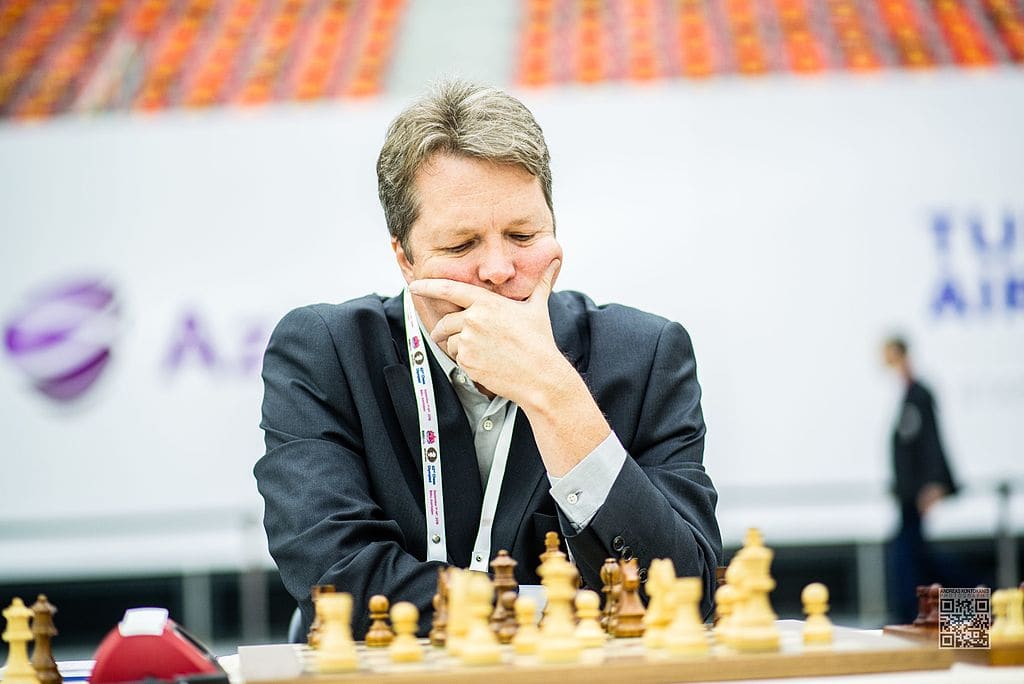
Short's rating climbed steadily. He reached world number three (behind Karpov and Kasparov) from July 1988 to July 1989, with a peak FIDE rating of 2712 in April 2004. His aggressive, dynamic style—favoring sharp openings and deep calculation—suited the era's competitive landscape.
His World Championship ambitions began in earnest in 1985. He qualified from the Biel Interzonal (with a playoff) as Britain's first Candidate but struggled in the Montpellier Candidates Tournament (7/15, 10th place). In the next cycle, he won the 1987 Subotica Interzonal (shared with Jon Speelman). In Candidates matches, he beat Gyula Sax but lost to Speelman.
The 1989–1993 cycle was his pinnacle. Qualifying via the Manila Interzonal (equal third with Viswanathan Anand), he navigated a tough path: tiebreak win over Speelman, victory over Boris Gelfand (+4–2=2), and a memorable semifinal triumph over Anatoly Karpov (+4–2=4) in 1992, hailed as "the end of an era" for the former champion. In the Candidates final in San Lorenzo de El Escorial, Short defeated Jan Timman (+5–3=5). A standout moment was his famous "king walk" against Timman in Tilburg 1991, voted among the greatest chess games.
The 1993 World Championship Match: Triumph and Heartbreak
Short's qualification set up a historic clash with Garry Kasparov for the World Championship. Controversy erupted when FIDE President Florencio Campomanes allegedly breached rules by deciding the venue and prize fund without consultation. Short and Kasparov broke away to form the Professional Chess Association (PCA). The match, sponsored by The Times, was held in London from September to October 1993.
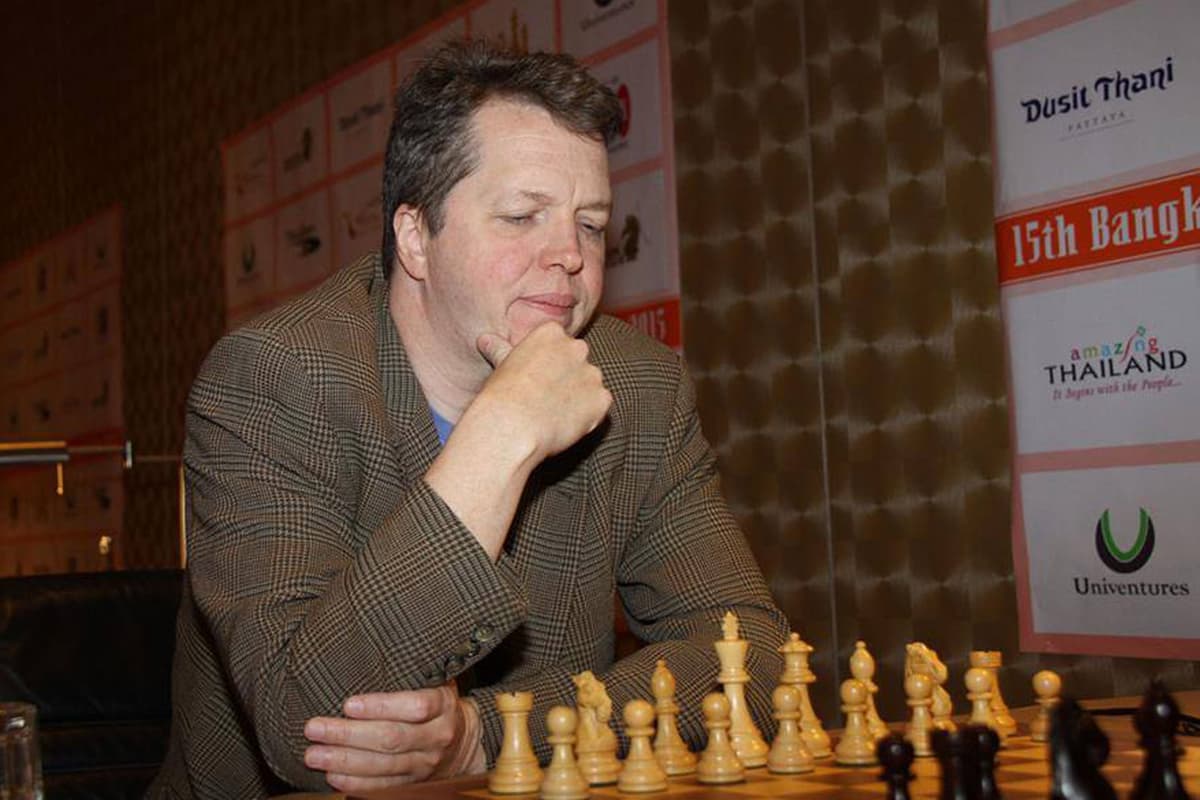
Kasparov, at his peak (rated 2815 to Short's 2665), dominated, winning 12½–7½ (+6–1=13). It was the largest margin in a title match since 1961. Short won one game but struggled against Kasparov's superior preparation and depth. Game 1 saw Short lose on time in a better position, setting a difficult tone. Despite the loss, reaching the match was a monumental achievement—the first for an Englishman—and elevated British chess's profile.
The split created parallel cycles: FIDE's Karpov-Timman match (won by Karpov) and the PCA's. Short and Kasparov faced sanctions, but the event professionalized aspects of chess organization.
Post-1993 Career: Sustained Excellence and Versatility
After 1993, Short remained a top player into his 50s. He lost to Gata Kamsky in the 1995 PCA Candidates semifinals but continued winning tournaments worldwide. Highlights include sharing first at Amsterdam VSB 1991 (ahead of Kasparov and Karpov), multiple wins at Hastings, Wijk aan Zee, Reykjavik, and Gibraltar (2003, 2004, 2012).
He secured three Commonwealth Championships (2004, 2006, 2008) and the EU Individual Open in 2006. Later victories spanned continents: Canadian Open 2013, Sigeman & Co. (multiple times), Bangkok Chess Club Open (several editions), and events in Africa, Asia, and beyond. He is noted as one of the few GMs to win tournaments on six continents.
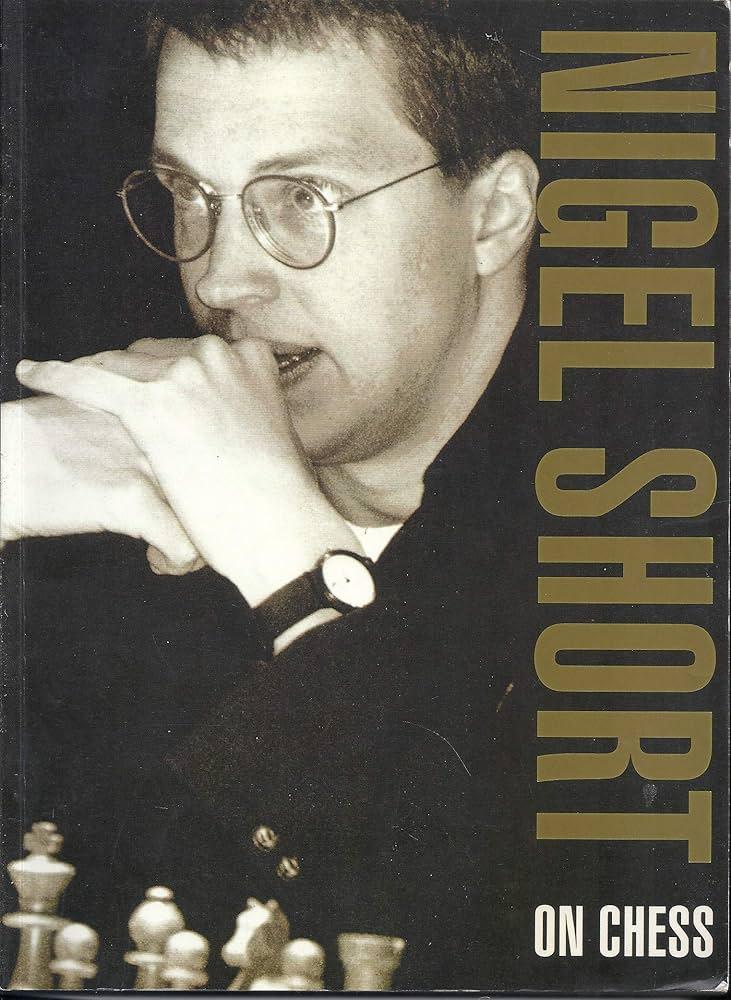
Short represented England in 17 consecutive Chess Olympiads (1984–2016), earning team silvers (1984, 1986—with individual gold on board 3 in 1986, 1988) and a bronze (1990). He contributed to European Team successes, including gold in 1997. His longevity on national teams is remarkable.
Notable match wins include Lev Alburt (7–1 in 1985), Anatoly Karpov (in Candidates), and others like Étienne Bacrot, Hou Yifan, and multiple victories over world champions (he has beaten 12 official ones across formats). His peak playing strength endured; he remained competitive well past 50.
Beyond the Board: Coaching, Writing, and Administration
Short has been a prolific columnist for The Sunday Times, Daily Telegraph, Guardian, Financial Times, and New in Chess ("Short Stories"). He authored Winning (2021), a unique book analyzing entire tournaments he won, which garnered awards.
As a coach, he mentored talents like Pentala Harikrishna, Sergey Karjakin, David Howell, and Parimarjan Negi. He served as national coach for Iran (2006–2007), leading them to strong results at Asian events. In 2022, he became FIDE Director for Chess Development, and earlier a FIDE Vice President (2018). He remains active as a commentator and promoter.
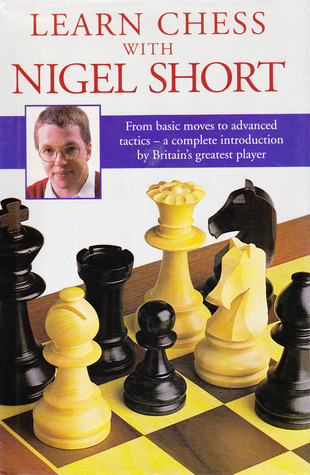
Personally, Short married Greek drama therapist Rhea Argyro Karageorgiou in 1987. They have two children and reside in Greece. He is an atheist and has held centrist political views, once linked to the SDP. Awarded MBE in 1999 for services to chess.
Legacy and Impact
Nigel Short's career statistics—peak rating 2712, world #3, three British titles, Olympiad medals, dozens of tournament wins, and a World Championship challenge—cement his place among Britain's greatest players. He broke barriers as a prodigy, challenged the establishment in 1993, and globalized his efforts through travel and coaching. His games showcase creativity, such as the king walk, and his post-playing roles advance chess development.
Short's story is one of youthful brilliance tempered by elite competition, sustained by passion. From beating Korchnoi at 10 to directing FIDE initiatives in his 60s, he has lived chess fully. As he once reflected through his work and interviews, success demands not just talent but consistent effort across tournaments—a philosophy embodied in his long, influential career.