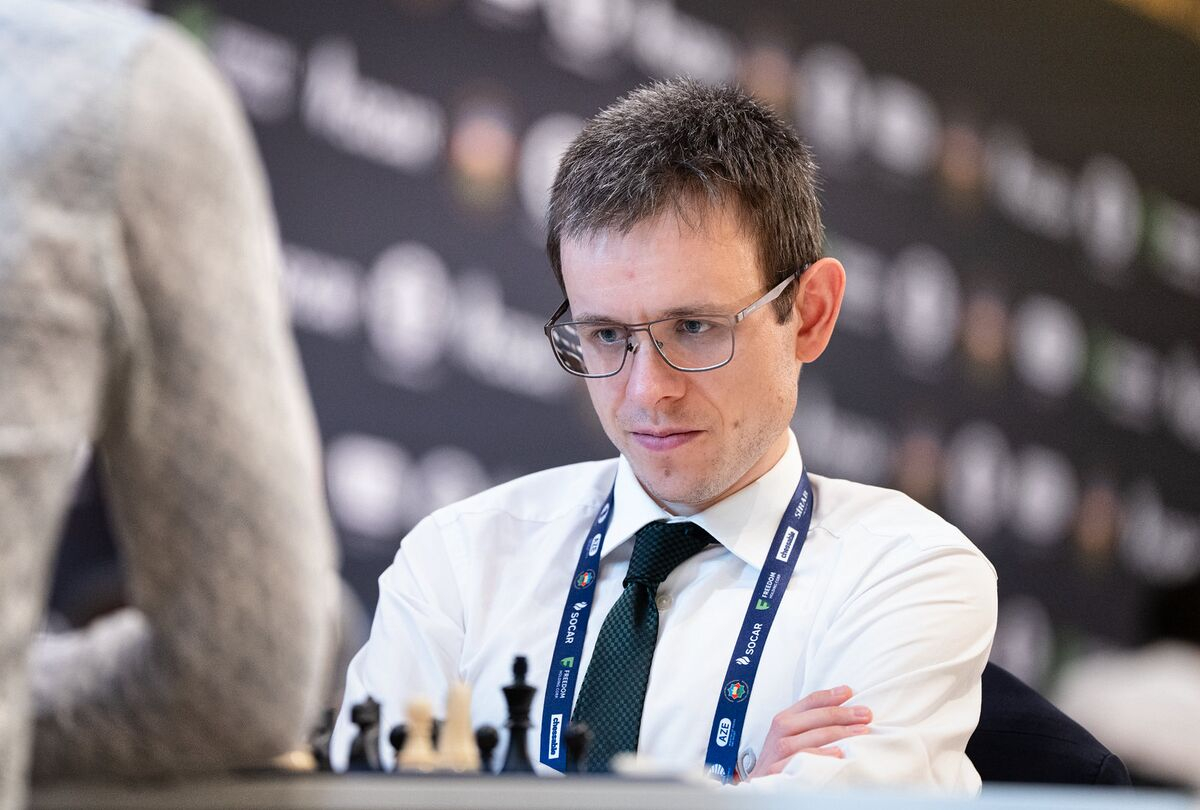
David Navara was born on March 27, 1985, in Prague, then part of Czechoslovakia. He emerged as one of the most consistent and respected grandmasters in modern chess, dominating the Czech chess scene for over two decades while competing successfully against the world's elite. His journey from a self-taught child prodigy to a multiple-time national champion and top-15 player exemplifies dedication, talent, and a deep love for the game.
Navara discovered chess at the age of six when he stumbled upon a chess book. He taught himself the rules and quickly became absorbed in the game. His early progress was rapid. He studied under coaches including Miloslav Vanka, IM Josef Přibyl, and later grandmasters Luděk Pachman and Vlastimil Jansa. These mentors helped refine his natural talent, and he soon began collecting medals in youth categories at world and European levels.
By his early teens, Navara was already making waves. He earned the International Master title at 14 and the Grandmaster title in 2002, just three days before turning 17. This made him one of the youngest grandmasters at the time. His breakthrough on the international stage came in 2001 at the European Team Chess Championship in Leon, Spain. At just 16, he scored an impressive 7 out of 9 points on the team, with a performance rating of 2775. This result announced his arrival as a serious talent.
Navara balanced his chess career with education. He studied logic at Charles University's Faculty of Arts in Prague, graduating despite the demands of a professional chess schedule. He has described himself as a less-than-ideal student at times, but his intellectual curiosity extended beyond the board. He enjoys reading and music, and his analytical mind—honed by both academics and chess—has contributed to his reputation as a thoughtful, principled player.
Rising Through the Ranks

In the early 2000s, Navara established himself as the clear leader of Czech chess. He won his first Czech Championship in 2004 and followed it up in 2005. These victories marked the beginning of a record-breaking run. Over the years, he would secure the national title a total of 14 times (2004, 2005, 2010, 2012–2015, 2017, 2019, 2020, 2022–2024, and 2026), far surpassing any other player in the tournament's history.
His performance in 2004 at the European Individual Chess Championship in Antalya was particularly notable. Seeded 14th, he finished sixth with 7.5/13, drawing against eventual winner Vassily Ivanchuk. This qualified him for the 2005 FIDE World Cup, though he was eliminated early.
Navara's Olympiad debut in 2006 in Turin was heroic. Playing first board for the Czech team, he scored 8.5/12 against strong opposition, including a win over Russia's Peter Svidler. His combative style and ability to perform under pressure earned him praise and helped elevate the team's standing.
The year 2007 proved pivotal. Invited to the prestigious Tata Steel Chess Tournament (then Corus) in Wijk aan Zee as a replacement, Navara—nicknamed the "Navara Express"—performed admirably. He scored 6.5/13, defeating Ruslan Ponomariov and a young Magnus Carlsen in their first encounter. He also drew with black against top players like Vladimir Kramnik, Viswanathan Anand, and Veselin Topalov. Finishing seventh in a field of super-grandmasters solidified his status as a rising star.
That same year, he won the Ordix Open rapid tournament in Mainz with 9.5/11 and performed strongly in other events, including a third-place finish in the Czech Coal Carlsbad tournament. These results showcased his versatility across classical, rapid, and blitz formats.
Peak Years and Major Achievements
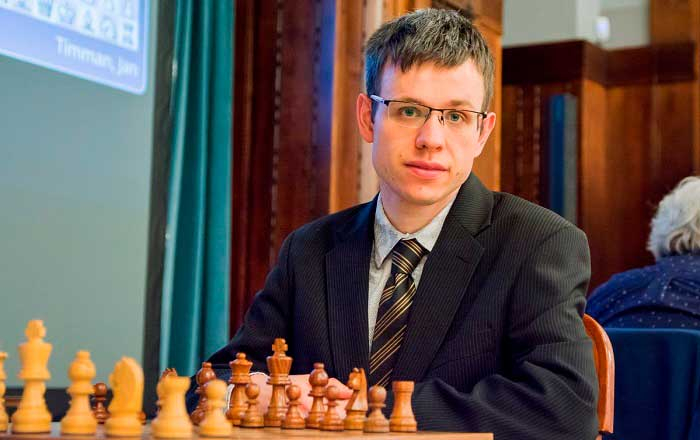
Navara reached his peak FIDE rating of 2751 in May 2015, climbing as high as world number 13 in October 2006. He maintained a presence in the top 30–50 for much of the 2010s, a remarkable feat for a player from a smaller chess nation.
One of his career highlights came at the 2011 FIDE World Cup in Khanty-Mansiysk. He advanced to the quarterfinals, defeating strong opponents before losing to Alexander Grischuk in a dramatic match. In the third round against Alexander Moiseenko, a memorable incident occurred. Navara accidentally touched a piece in time trouble but was not forced to move it by his opponent. Later, with a winning position and a forced mate available, Navara offered a draw out of sportsmanship. The gesture earned widespread admiration and a special fair play prize. It highlighted his reputation as one of chess's true gentlemen.
Navara has excelled in team events. At the 2012 Chess Olympiad in Istanbul, he won an individual gold medal on board two. He also contributed to the Nový Bor team's success in the European Club Cup, winning gold in 2013. His leadership on the Czech national team has been instrumental for years.
In faster time controls, Navara has been equally dominant. He has won numerous Czech blitz titles, including nine by one count, and claimed the European Blitz Championship in 2014 and again in 2022 in Katowice with 17.5/22.
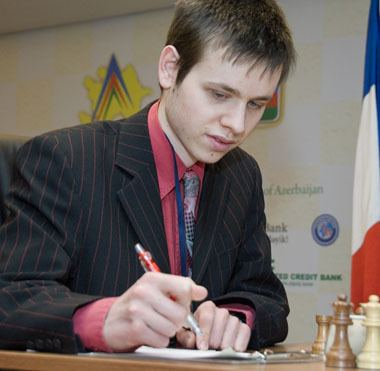
He has participated in the CEZ Chess Trophy series in Prague, facing legends like Nigel Short (whom he beat 7-3 in rapid in 2007), Vladimir Kramnik, Vasyl Ivanchuk, Judit Polgar, and others. While not always victorious in these matches, they provided valuable experience against the absolute best.
Notable tournament wins and strong performances include the Rubinstein Memorial in 2003, various Czech Opens, and consistent high placings in European Individual Championships. In 2015, he had one of his strongest years, reaching his peak rating and performing solidly in super-tournaments.
Playing Style and Notable Games
Navara is known for an uncompromising, combative style. He prefers dynamic, fighting chess over safe draws, often pushing for wins even with Black. His intuition and deep preparation, combined with tactical sharpness, make him dangerous in all phases of the game. He has authored books and analyses that reveal a thoughtful approach to the game, emphasizing understanding over pure calculation.
Several games stand out in his career:
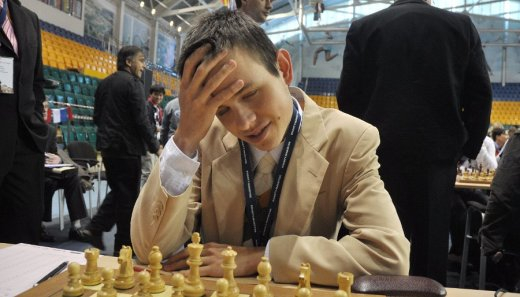
Navara vs. Peter Svidler, Turin Olympiad 2006: A powerful win featuring a central breakthrough with 19.d5! and a mating combination.
Ivan Cheparinov vs. David Navara, European Team Championship: A spectacular queen sacrifice with 27...Qf2!! that stunned spectators.
Navara vs. Magnus Carlsen, Wijk aan Zee 2007: One of his early signature victories against a future world champion.
Navara vs. Radoslaw Wojtaszek, Biel 2015: Remarkable home preparation leading to an unusual king march to h8 in the middlegame.
Navara vs. Ding Liren, Gashimov Memorial 2019: A high-level win against a top player.

More recently, in 2026, his game against Nodirbek Yakubboev at the Prague International Chess Festival was hailed as potentially one of the greatest of the decade. Arising from a Catalan, it featured an AlphaZero-style pawn push, multiple sacrifices, and brilliant tactics.
Navara has defeated or drawn many of the game's greats, including Caruana, Aronian, and others, proving his ability to compete at the highest level.
Longevity and Legacy
As of 2026, Navara's FIDE rating hovers in the mid-2600s (around 2624–2639), reflecting the natural challenges of maintaining peak form over decades while newer talents rise. Yet he remains the undisputed number one in the Czech Republic and continues to win national titles into his 40s.
His longevity stems from a love of the game rather than solely ambition for titles. He has spoken openly about balancing chess with life, including periods of fewer tournaments during university. Despite self-described "laziness" at times, his consistent results speak to disciplined study and passion.
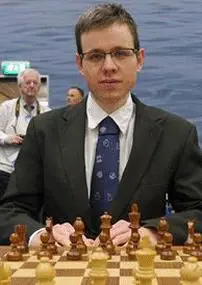
Navara has also contributed to chess off the board. He has written books, such as collections of his games and analyses, and worked with players like Pentala Harikrishna. His sportsmanship—evident in the Moiseenko incident and general demeanor—has earned him respect across the community. He is often described as one of the nicest and most genuine personalities in elite chess.
In an era dominated by engine preparation and intense competition, David Navara stands out as a player who combines classical values with modern competitiveness. From his early days teaching himself the moves in Prague to record-breaking national dominance and battles against world champions, his career is a testament to what focused talent and integrity can achieve.
His story is not just one of trophies and ratings, though those are impressive: 14 national titles, a peak of 2751, Olympiad heroics, and victories over the best. It is also about persistence, intellectual curiosity, and a lifelong commitment to a game that continues to inspire him and fans worldwide. As he enters the later stages of his career, Navara remains a vital figure in Czech and international chess, a bridge between generations, and a player whose games will be studied for their creativity and fighting spirit for years to come.