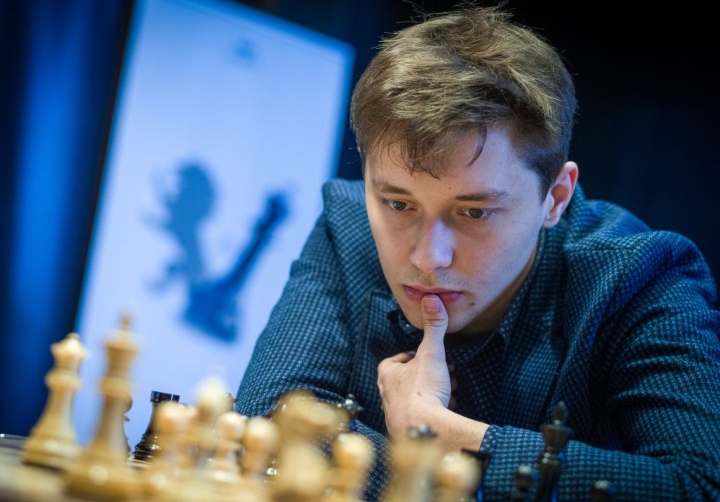
Andrey Evgenyevich Esipenko, born on March 22, 2002, in Novocherkassk, Rostov Oblast, Russia, has emerged as one of the most promising grandmasters of his generation. At just 24 years old (as of 2026), he has already compiled an impressive list of achievements, including multiple youth world and European titles, a landmark victory over reigning World Champion Magnus Carlsen, consistent elite-level performances, and qualification for the 2026 Candidates Tournament. His journey from a young talent in a provincial Russian city to a top-50 player in the world exemplifies dedication, natural aptitude, and strategic development in the highly competitive arena of modern chess.
Early Life and Introduction to Chess
Esipenko was born into a Russian family in Novocherkassk, a historic city in the Rostov region known more for its Cossack heritage and universities than for producing chess prodigies. He began playing chess at the age of five. His father recognized his early interest and talent, guiding him toward structured training. Initial steps were taken in nearby Rostov-on-Don, where he trained under local coaches including N. Petrushina, E. Khliyan, and A. Kornukov (often referred to as Alexey Kornyukov), the only FIDE International Master in the area at the time. Twice-weekly sessions laid the foundation.
By age eight, Esipenko was already attracting attention within Russian chess circles. His rapid progress reflected not only innate tactical sharpness but also a growing work ethic. Family support was crucial; chess families often face logistical and financial challenges, especially outside major hubs like Moscow or St. Petersburg. Esipenko's early coaches helped nurture his aggressive style, which would later become a hallmark—favoring dynamic positions, deep calculation, and willingness to take risks against stronger opponents.
Breakthrough in Youth Competitions (2012–2017)
Esipenko's first major international success came in 2012 when he won the European U10 Chess Championship. This victory at age 10 marked him as a prodigy to watch. He earned his FIDE Master (FM) title in 2013, a standard milestone but one achieved with notable momentum.
Progress continued steadily through his early teens. A pivotal shift occurred around 2016 when he began training with Grandmaster Dmitry Kryakvin. This coaching relationship accelerated his development. By late 2016, Esipenko joined ProfChessClub, a project by Sergey Nesterov supporting talented players. This provided access to high-level coaching from grandmasters like Sergey Shipov, Alexey Dreev, and even Boris Gelfand. The family received support, including relocation assistance to the Moscow region (an apartment in Khimki), easing the burdens of training at a national level.
The year 2017 was transformative. At 15, Esipenko dominated the youth scene:
He won the European U16 Chess Championship.
He also claimed the World U16 Chess Championship.
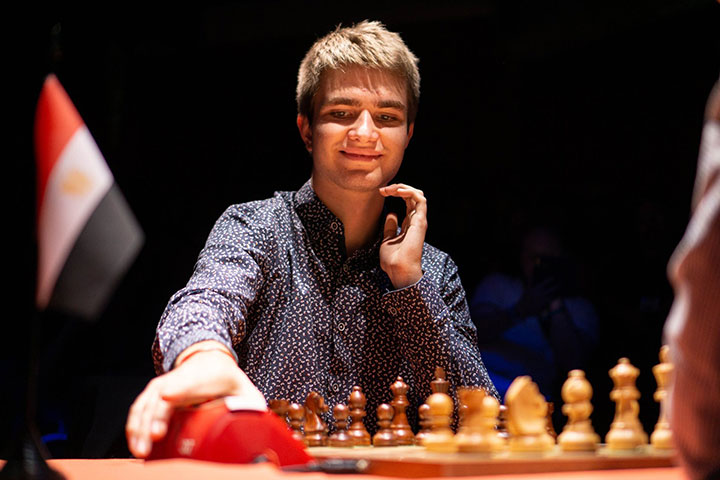
These double triumphs solidified his status as one of the top juniors globally. In the same year, he participated in the European Individual Chess Championship (adult section), scoring 6½/11 with a performance rating of 2618—a strong showing for a young player against seasoned grandmasters.
He secured all three grandmaster (GM) norms by late 2017 and was formally awarded the title by FIDE in April 2018. This made him one of the youngest grandmasters in Russia at the time. His rating climbed rapidly, crossing key thresholds as he gained experience.
In December 2017, at the World Rapid Championship, he scored 7½/15 (performance ~2622) and produced a memorable queen sacrifice against Sergey Karjakin, which drew praise from veteran chess journalist Leonard Barden as potentially "the move of the year." He also competed in the World Blitz, finishing respectably.
Transition to Elite Level (2018–2020)
Post-GM title, Esipenko balanced junior successes with increasing adult competition. In 2018, he had mixed results in opens like the Aeroflot Open (4/9) and the European Individual Championship (7/11, 48th place), but these served as valuable learning experiences.
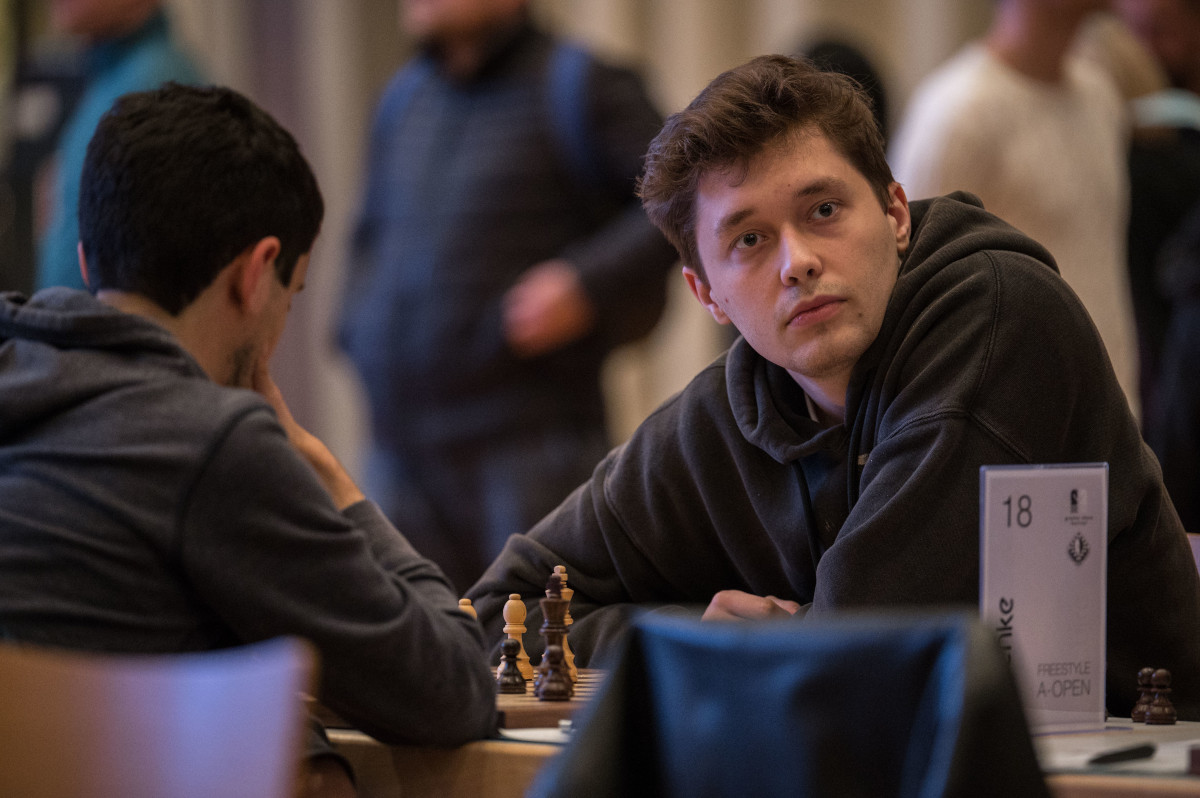
2019 saw clearer signs of elite potential. At the Tata Steel Challengers in Wijk aan Zee, he finished second with 8½/13. This qualified him for stronger events. He placed 16th in the European Individual Championship (7½/11), earning a spot in the 2019 Chess World Cup. There, he defeated former FIDE World Champion Ruslan Ponomariov before falling to Peter Svidler in tiebreaks.
The 2020 Gibraltar Masters was another highlight. Esipenko led after six rounds with 5½/6 and tied for first on 7½/10 (performance rating 2809). He was eliminated in the playoff semifinals by David Paravyan, but the tournament confirmed his ability to compete at the very top.
The Carlsen Victory and 2700 Breakthrough (2021)
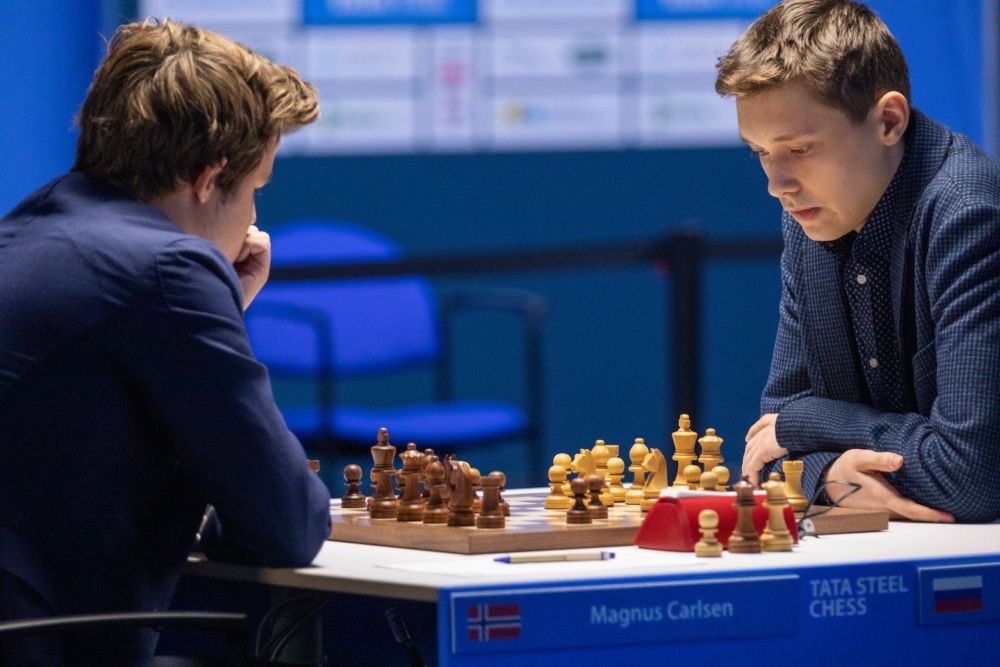
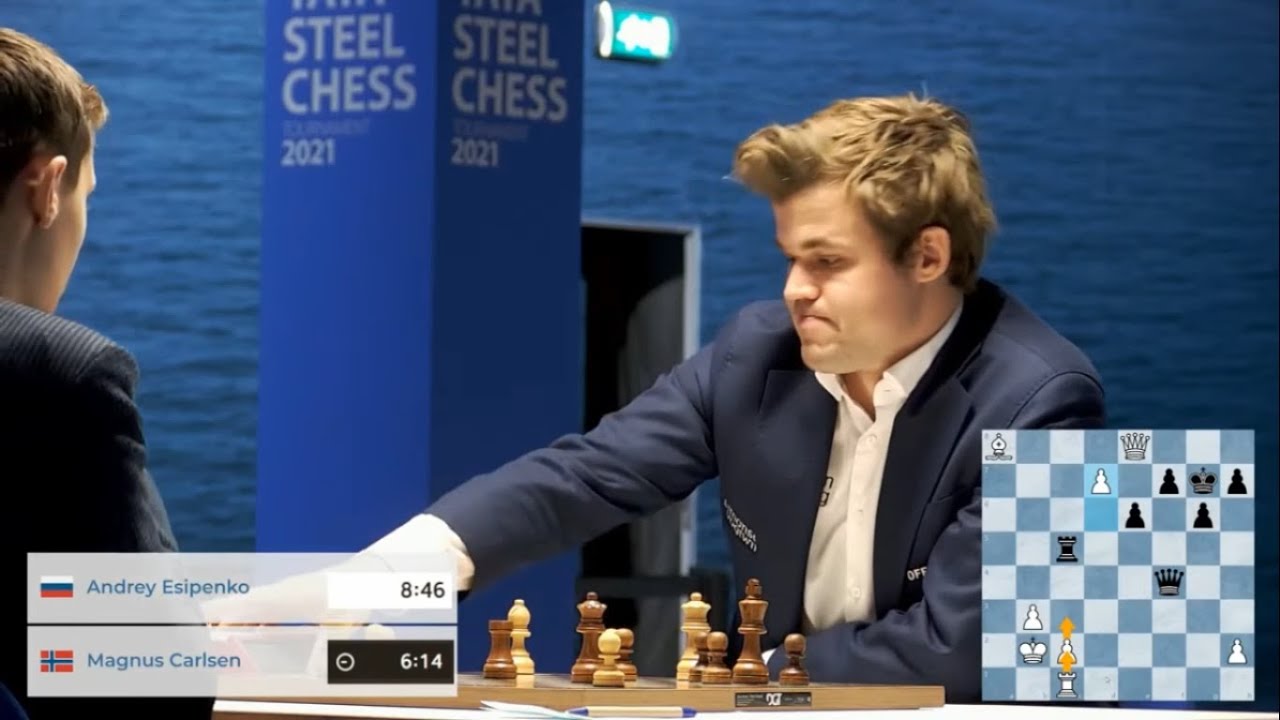
2021 catapulted Esipenko into global headlines. Invited to the prestigious Tata Steel Masters (the "Wijk aan Zee" tournament), the 18-year-old faced World Champion Magnus Carlsen in round eight. Carlsen played the Sicilian Defense (Scheveningen Variation); Esipenko responded aggressively with an 8.g4 line inspired by the Keres Attack. He won convincingly. This was Carlsen's first classical loss to a teenager since 2011 and to a sub-2700 player since 2015. Esipenko finished third overall with 8/13 (+4–1=8), achieving a performance rating of 2815. This result pushed his rating over 2700 for the first time.
Later that year, at the Chess World Cup, he reached the fifth round, defeating strong players like Nijat Abasov and Daniil Dubov before losing to Carlsen in blitz tiebreaks. He placed fifth in the Russian Championship Superfinal (5.5/11 on tiebreaks).
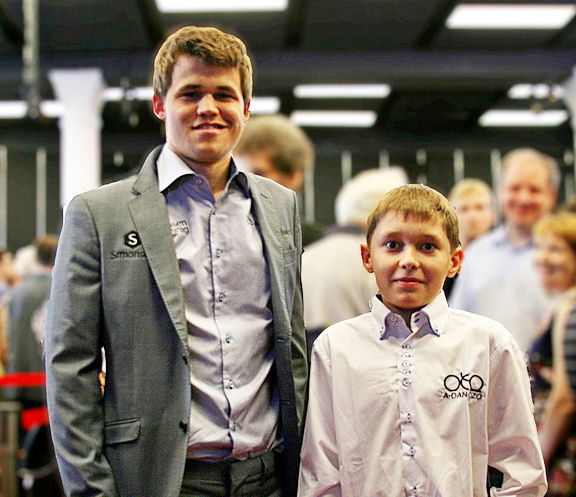
These results established Esipenko as a genuine contender, not just a promising junior. His style—combining solid preparation, tactical vision, and endgame precision—impressed commentators.
Continued Rise, Challenges, and Representation (2022–2024)
In 2022, Esipenko participated in the FIDE Grand Prix and online events like the Airthings Masters, reaching semifinals. Like many Russian players, he navigated geopolitical complexities. Together with dozens of other elite Russian players, he signed an open letter to President Vladimir Putin protesting the 2022 invasion of Ukraine and expressing solidarity with Ukrainians. For a period (2022–2025), he competed under the FIDE flag before returning to the Russian federation in 2025.
He maintained a rating in the high 2600s to low 2700s, with a peak of 2723 in March 2022 (world ranking as high as No. 24). Consistent participation in super-tournaments, Opens, and team events built resilience. He played for teams like Virtus.pro in later years.
In 2023, he tied for 5th at the WR Chess Masters and placed 8th in the European Individual Championship, again qualifying for the World Cup. Other strong showings included the Qatar Masters and various national and international events.
Qatar Masters Triumph and Path to Candidates (2024–2025)
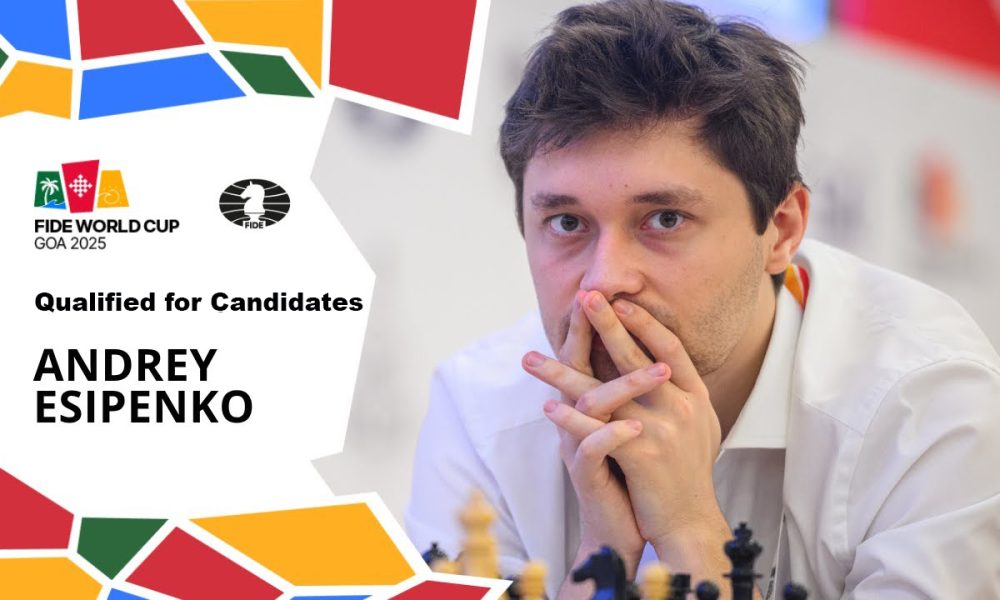
December 2024 marked another career peak: Esipenko won the Qatar Masters outright with 7.5/9, drawing Arjun Erigaisi in the final round. This victory against a strong field underscored his growing maturity.
The pinnacle came in November 2025 at the FIDE World Cup in Goa. Esipenko advanced to the semifinals, defeating formidable opponents including Pouya Idani, Nijat Abasov, Aleksey Grebnev, Vincent Keymer, and Sam Shankland. After a tough semifinal tiebreak loss to Wei Yi, he showed remarkable resilience in the third-place match, defeating Nodirbek Yakubboev 2–0. This secured third place overall and the final qualification spot for the 2026 Candidates Tournament.
His World Cup run highlighted key strengths: comeback ability, versatility in classical, rapid, and blitz formats, and mental toughness under pressure.
The 2026 Candidates Tournament
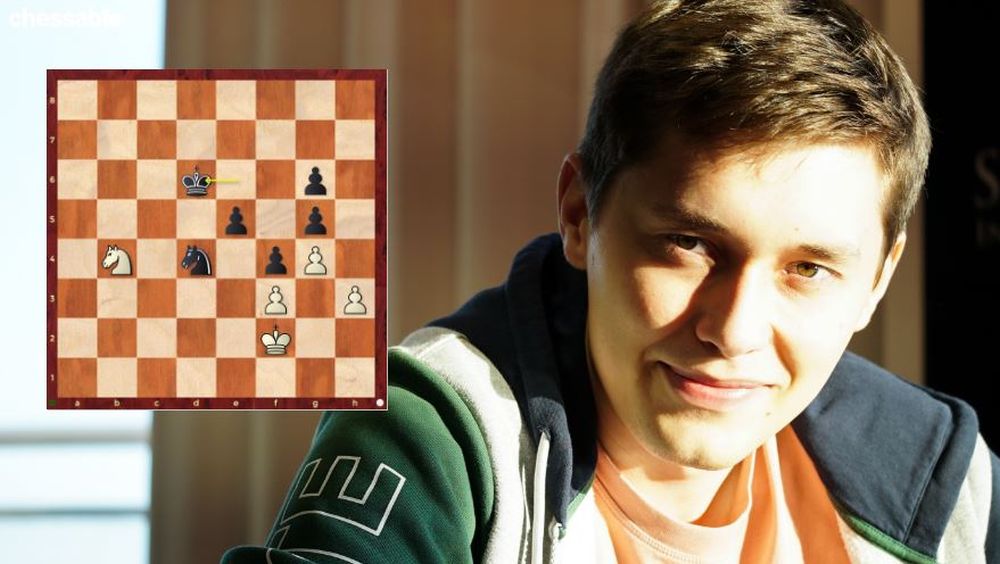
Esipenko debuted in the Candidates in 2026 with high expectations but faced the brutal reality of an eight-player double-round-robin against the world's absolute elite. He scored 4.5/14 (+0–5=9), finishing last. While disappointing in outcome, the experience provided invaluable lessons in preparation, stamina, and handling elite-level pressure—essential for future cycles. Many young debutants struggle; Esipenko's qualification itself at age 24 was a major achievement.
Playing Style, Strengths, and Off-Board Life
Esipenko is known for a dynamic, fighting style. He excels in sharp middlegames, deep opening preparation (often surprising opponents with aggressive lines), and precise endgames. His victory over Carlsen showcased willingness to seize the initiative even with Black. He has produced creative games, including notable queen sacrifices and tactical shots.
Beyond chess, he maintains a relatively private profile but has engaged with fans through interviews, social media (@andrey__esipenko on Instagram), and team events. He has spoken about the role of support from family, coaches, and seconds (such as David Paravyan). Pressure from family or coaches appears minimal; he emphasizes enjoyment and self-motivation.
Earnings from prizes, appearances, and team contracts (estimated over $500,000 lifetime) reflect his status, though top chess remains more passion and prestige than pure wealth for most.
Legacy and Future Prospects
As of May 2026, Esipenko's FIDE rating stands at 2684 (world No. 41), with a peak of 2723. He has won approximately $521,000 in prizes and remains a key figure in Russian and global chess.
His trajectory—from U10 European champion to Candidates qualifier—mirrors greats like Carlsen or Firouzja in consistency and upward mobility. Challenges include converting potential into consistent super-tournament wins and deeper Candidates runs. With continued improvement in physical/mental conditioning (increasingly vital in long events) and opening innovation, Esipenko is well-positioned for further breakthroughs, possibly challenging for the world title in the 2030s.
Andrey Esipenko represents the new generation of chess: professionally supported, globally competitive, and resilient. His story inspires young players worldwide, proving that talent from smaller cities, backed by dedicated training and family support, can reach the highest levels. As chess evolves with technology and global access, players like Esipenko will define its future—combining classical depth with modern preparation.